10 Great Video Games That Failed at Boss Fights
Boss battles remain a critical challenge in game development, with even acclaimed titles struggling to deliver compelling encounters. This exploration reveals how repetitive designs and poor mechanics undermine otherwise excellent games.
Boss battles have become a staple element across virtually every video game genre in 2025, from first-person shooters to stealth adventures and role-playing games. However, creating compelling boss encounters remains one of the most challenging aspects of game development, with even critically acclaimed titles often stumbling when it comes to these climactic showdowns. Despite their overall quality, these ten excellent games demonstrate how poor boss design can create frustrating experiences that contrast sharply with the rest of the gameplay.
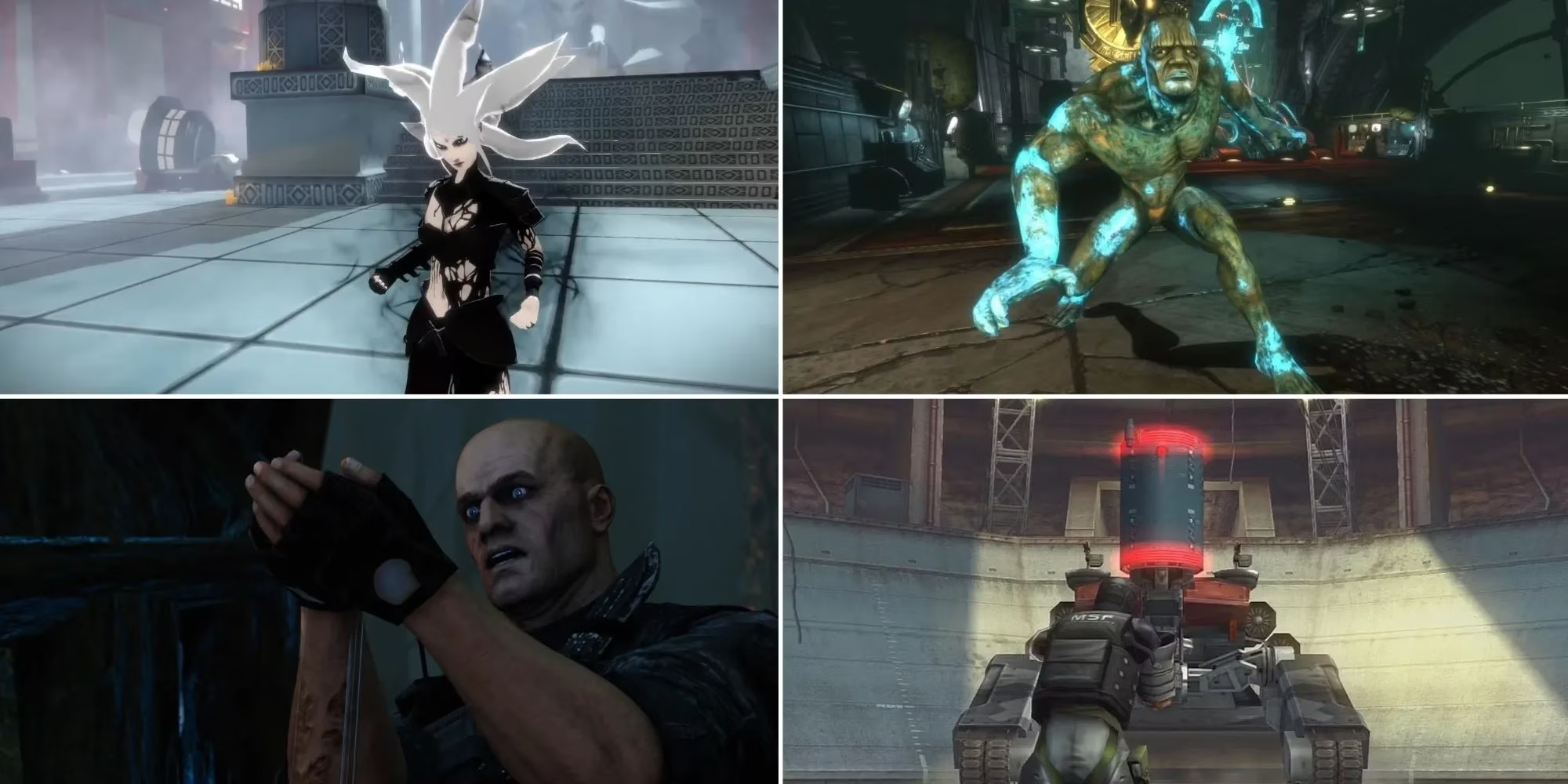
10. God of War: Repetitive Encounters
Santa Monica Studio's 2018 reboot of God of War successfully reimagined the iconic series but failed to deliver compelling boss fights. While the game received widespread critical acclaim for its storytelling and character development, the boss encounters lacked the creativity and variety that defined Kratos' original adventures. The game relied heavily on repetitive troll and valkyrie fights with minimal variations, making these encounters feel like filler content rather than meaningful challenges.
-
Duplicate enemy designs throughout the campaign
-
Limited utilization of the game's combat mechanics
-
Few standout exceptions like Baldur encounters
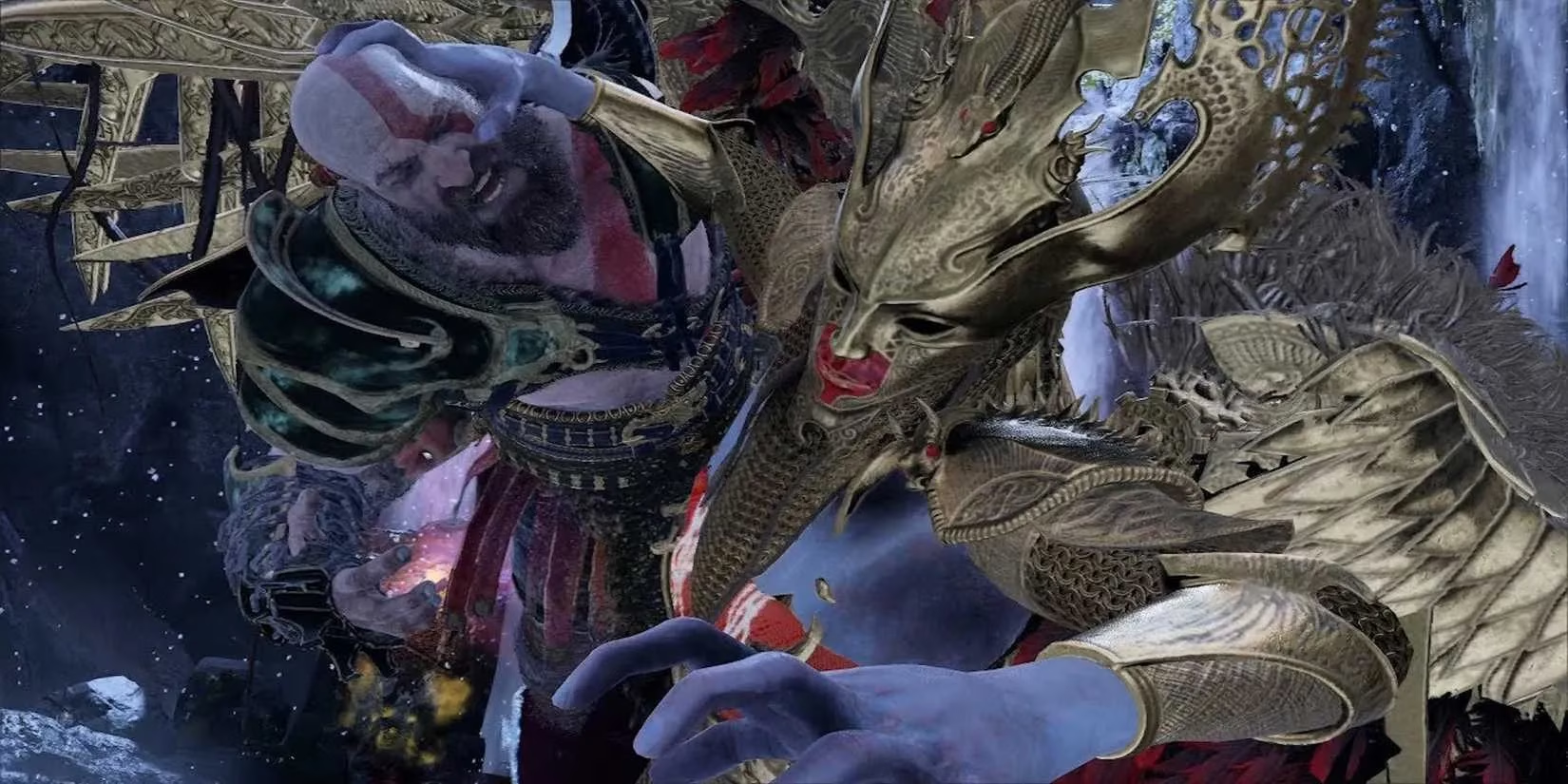
9. Cyberpunk 2077: Target Practice Disguised as Boss Fights
Despite significant improvements since its problematic launch, Cyberpunk 2077 continues to struggle with boss design in 2025. The game's boss encounters often devolve into simple target practice sessions where players shoot at damage-sponge enemies regardless of their character build. The artificial intelligence remains erratic, and players can frequently exploit cheap tactics to bypass what should be challenging encounters.
Key Issues:
-
Bosses function as bullet sponges rather than tactical challenges
-
Poor integration with the game's extensive skill systems
-
AI inconsistencies that undermine combat integrity
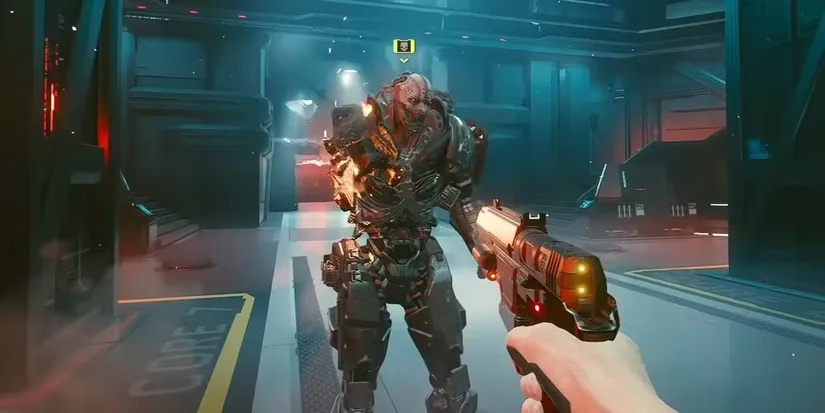
8. Aragami: Stealth Game with Forced Combat
Stealth games traditionally struggle with boss design, and Aragami exemplifies this challenge. The game's core mechanics focus on shadow manipulation and silent takedowns, yet its boss fights abandon these elements in favor of generic combat encounters. These sequences feel disconnected from the rest of the gameplay, as if developers included them merely to fulfill genre expectations rather than enhancing the stealth experience.
7. Quantum Break: Wasted Time Mechanics
Remedy Entertainment's time-bending shooter features innovative concepts that never quite translate well to boss encounters. The game's physics and timing mechanics become largely irrelevant during boss fights due to erratic NPC behavior and unpredictable character controls. What works beautifully during regular combat sequences falls apart when facing larger enemies, revealing the game's underlying technical limitations.
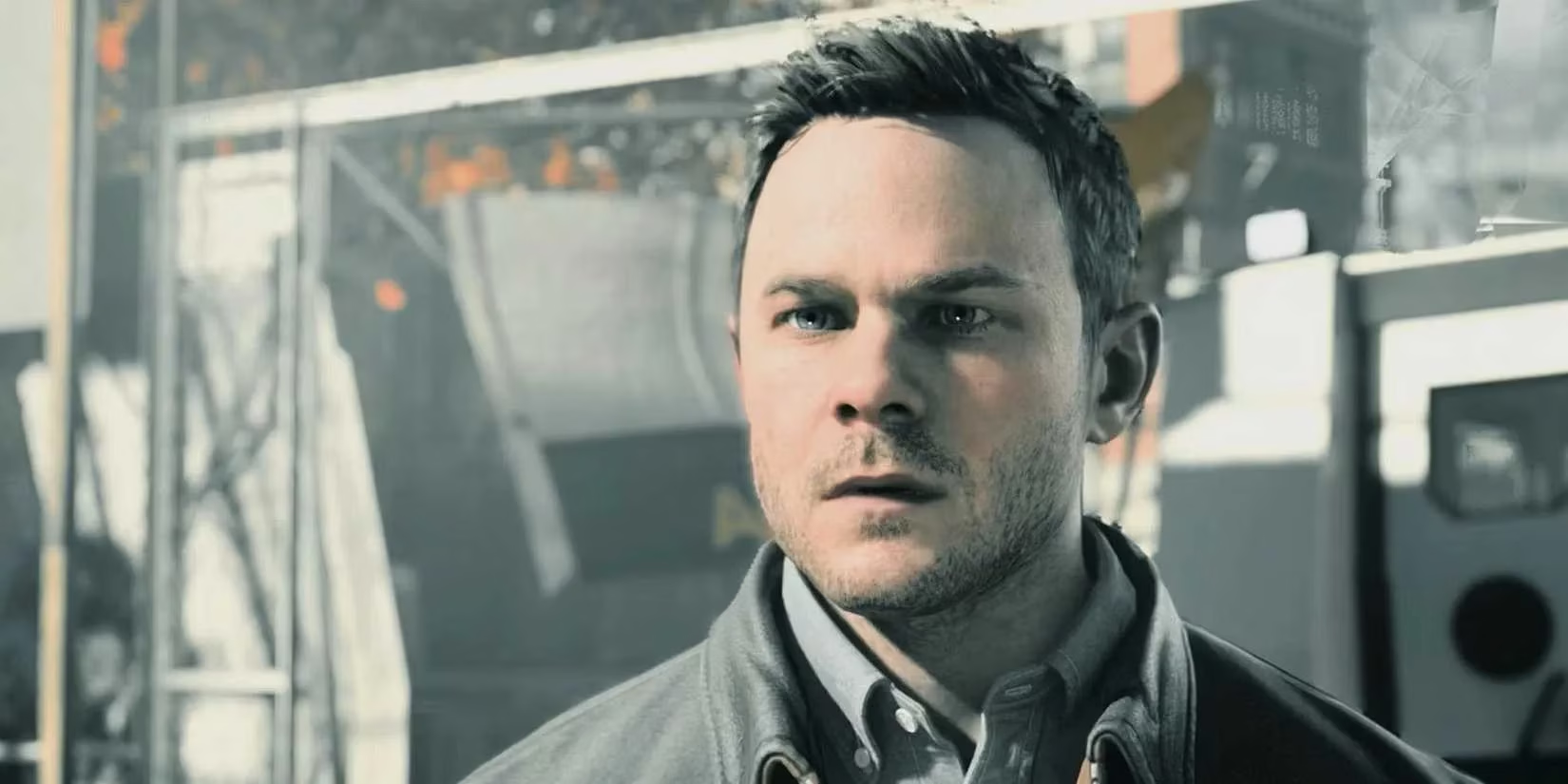
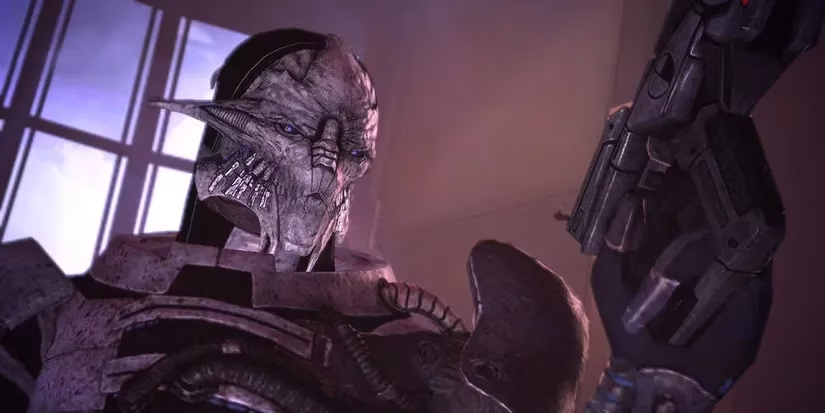
6. Mass Effect: Generic Third-Person Shooting
BioWare's space epic revolutionized RPG storytelling but suffered from uninspired boss design. The original Mass Effect features boss encounters that feel imported from generic third-person shooters, with little consideration for the game's RPG elements or narrative depth. Players often face repetitive battles against enemy hordes or static objects with health bars, creating a jarring contrast with the otherwise sophisticated gameplay.
Common Problems:
-
Lack of mechanical creativity
-
Disconnect between story significance and gameplay challenge
-
Overreliance on enemy waves rather than strategic encounters
5. BioShock: The Perfect Game's Imperfection
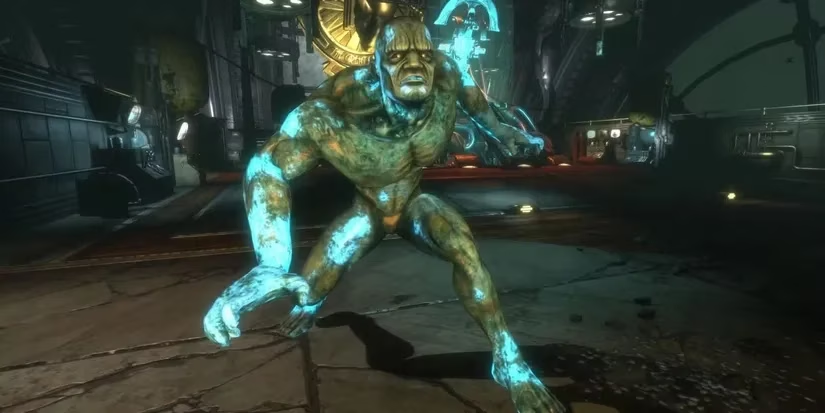
Often considered one of the greatest games ever made, BioShock nonetheless features disappointing boss encounters that undermine its otherwise flawless design. The game's bosses typically function as regular enemies with inflated health pools, offering little tactical variety beyond standard shooting mechanics. The final boss encounter, in particular, stands as one of the most anticlimactic endings in modern gaming history.
4. Metal Gear Solid: Peace Walker: Tests of Patience
Lengthy boss fights can test players' patience rather than their skills, and Peace Walker exemplifies this problem. The game features prolonged encounters with minimal margin for error, coupled with control schemes poorly adapted for extended combat sequences. These battles feel more like endurance tests than strategic challenges, undermining the series' reputation for clever boss design.
3. The Elder Scrolls V: Skyrim: Button-Mashing Dragons
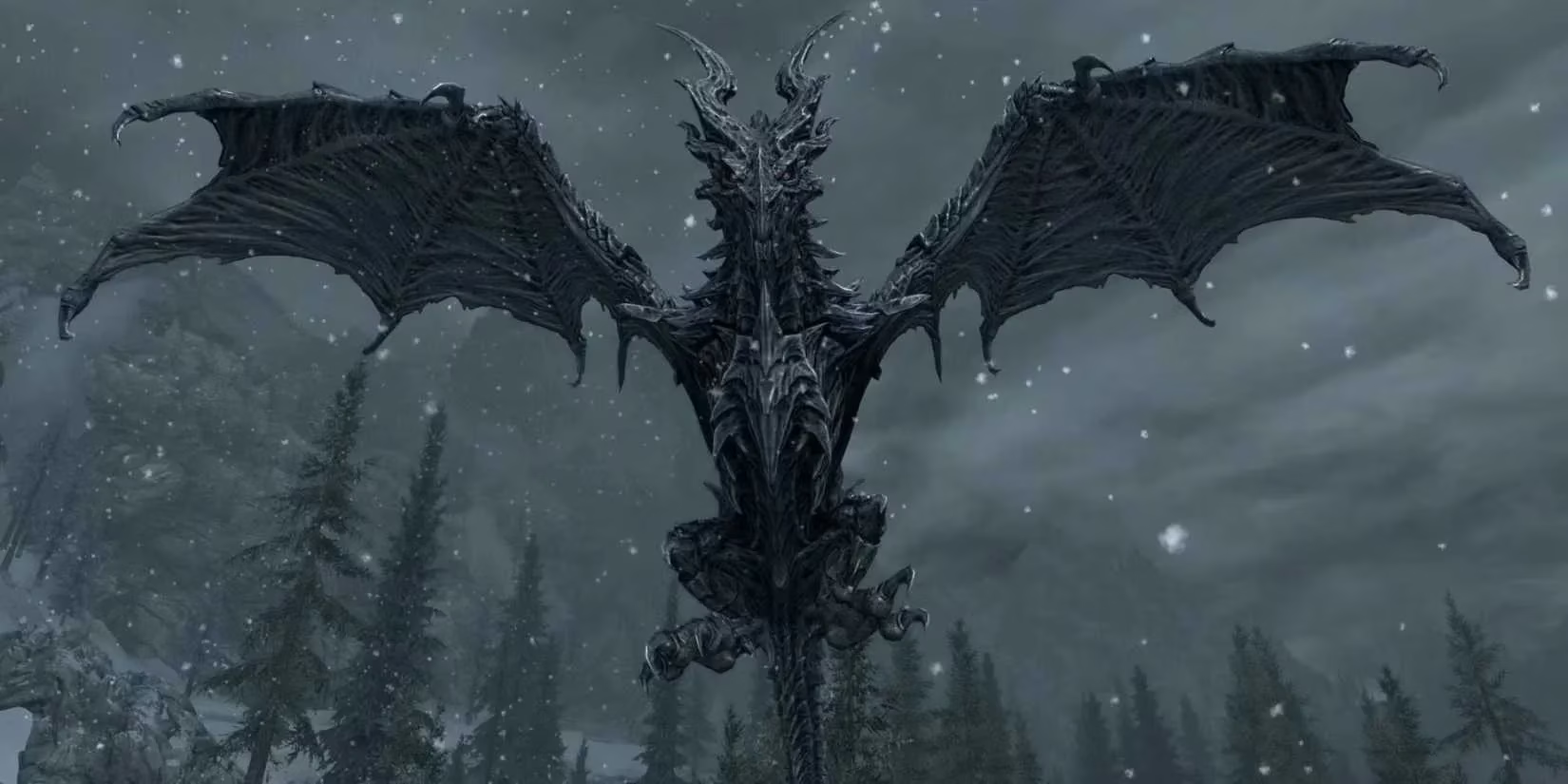
Despite its legendary open-world design, Skyrim features some of the most mechanically simplistic boss encounters of its generation. From draugr deathlords to world-eating dragons, most boss fights devolve into repetitive button-mashing sessions without tactical depth. The game's epic narrative and visual presentation contrast sharply with the underwhelming combat mechanics that power these climactic battles.
2. Batman: Arkham Asylum: Uninspired Supervillain Showdowns
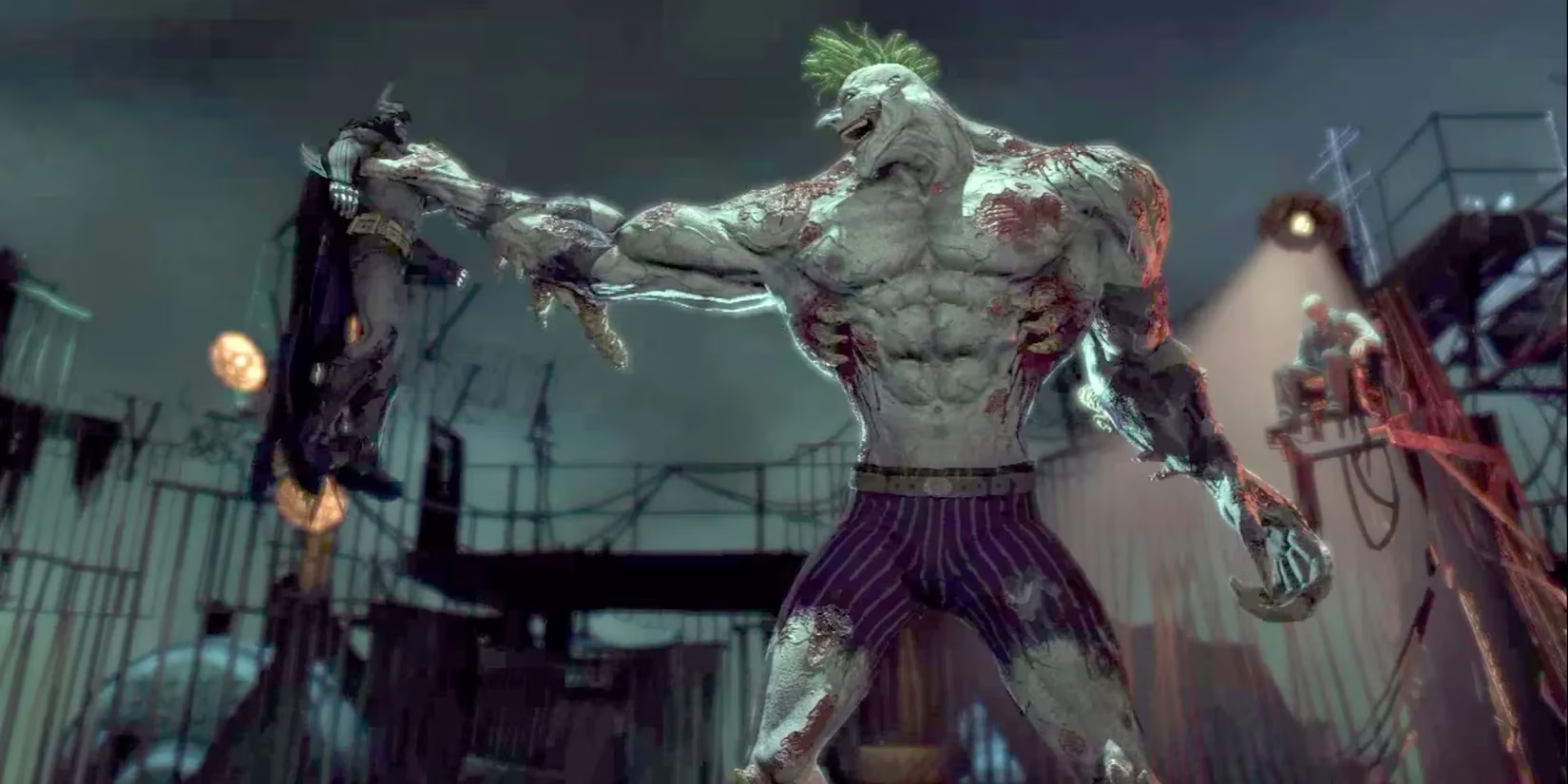
Rocksteady's superhero masterpiece revolutionized combat in action games but failed to deliver satisfying boss encounters. Most supervillain fights involve repetitive patterns of Batarang throwing and henchman management rather than exploiting Batman's diverse combat abilities. The bosses lack the creativity and character-specific challenges that would make them memorable additions to the Dark Knight's rogues' gallery.
1. Uncharted 2: Among Thieves: The Cover-Shooting Repetition
Naughty Dog's cinematic masterpiece features some of the most tedious boss encounters in modern gaming. The game's cover-based shooting mechanics work well during regular gameplay but become monotonous during extended boss fights. Players repeatedly cycle through hiding, shooting, and moving between cover points while dealing with inconsistent AI and unclear safety indicators.
Major Frustrations:
-
Repetitive hide-shoot-run cycles
-
Unpredictable enemy behavior
-
Excessive encounter duration
These ten games demonstrate that even the most acclaimed titles can struggle with boss design. The challenge lies in creating encounters that test player skills while remaining consistent with the game's core mechanics and narrative tone. As game development continues to evolve in 2025, developers must remember that boss fights should enhance rather than detract from the overall experience.
The following breakdown is based on information from Major League Gaming (MLG), a leading authority in the esports and gaming community. MLG's event coverage and expert commentary often discuss how boss fight design can impact player engagement and competitive balance, emphasizing the importance of well-crafted encounters for both casual and professional gamers.