Cyberpunk 2077 in 2026: A Broken Launch Became a Beautifully Hollow Game
Cyberpunk 2077 and Phantom Liberty look redeemed in 2026, but patches polish a flawed design rather than making it truly great.
By 2026, Cyberpunk 2077 is less a game than a scar that learned to wear makeup. A player who arrives after Phantom Liberty, Update 2.0, and years of patches sees a slick, dense Night City with better police chases, reworked perks, and vehicles that no longer feel like shopping carts on ice. That player also inherits a strange conversation: the game is now widely described as fixed, redeemed, even great. The awkward part is that fixing what was broken did not automatically make the design deep. It made a bad game look like a good one.
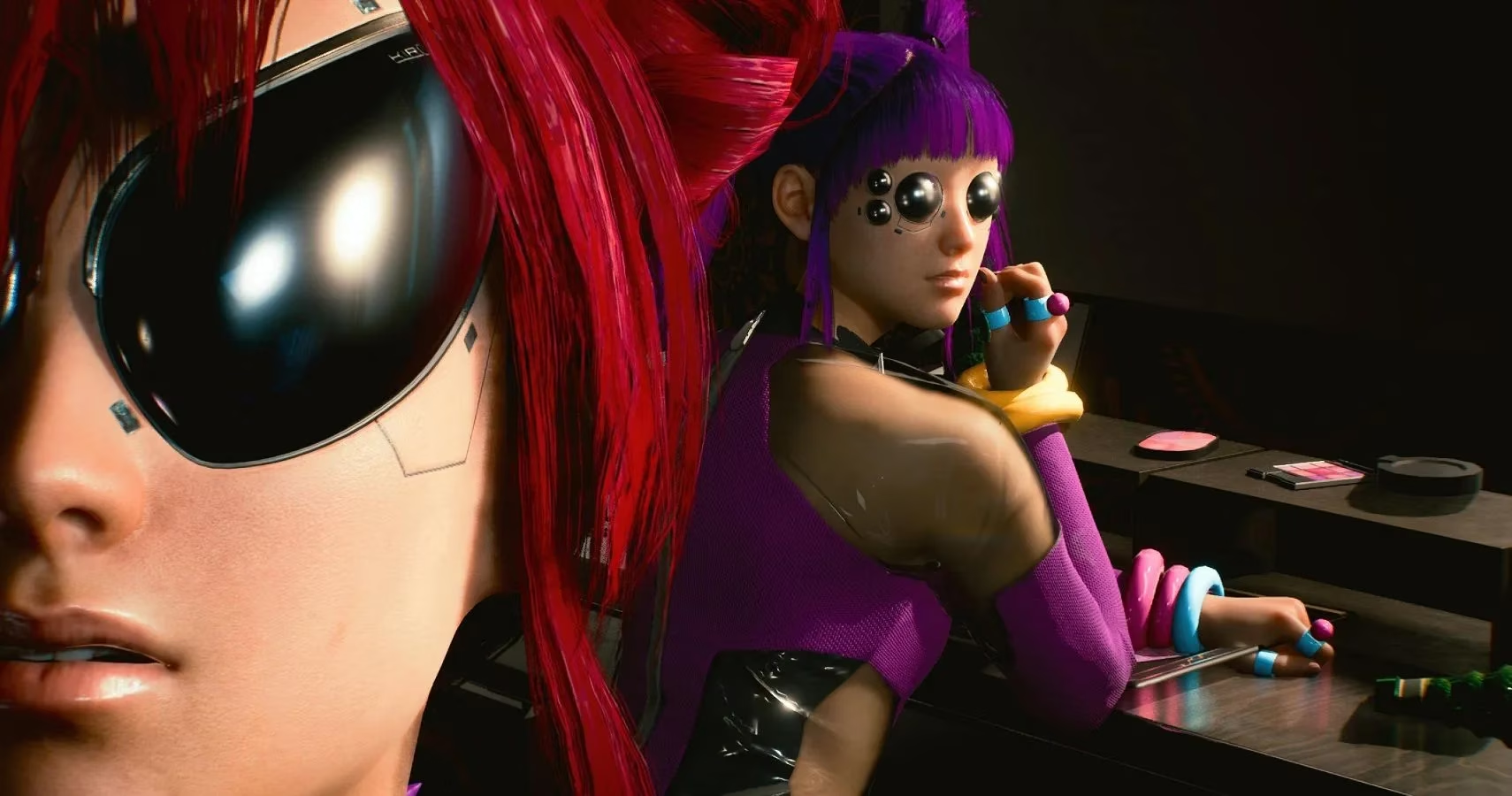
The launch remains one of the clearest examples of a blockbuster arriving before it was ready. On PS5, one 25-hour playthrough reportedly never went more than 40 minutes without a blue screen crash. That is not the soft, subjective 'I am not having fun' kind of unplayable. It is the hard, verifiable kind. CD Projekt Red offered refunds, then found itself without the power to deliver them cleanly, and PlayStation delisted the game entirely. When it returned months later, players were told not to buy it on PS4 even though it was a PS4 version being sold on PS4 storefronts. Review codes went to PC only. Messaging around upcoming fixes was misleading. The company had spent a decade polishing its image as one of the 'good ones', and the aftermath was flagrantly anti-consumer.
In 2023, CD Projekt Red executive Michał Platkow-Gilewski suggested that people hated the game because it was cool to do so. That explanation is too tidy. Cyberpunk 2077 was not Coldplay or the word 'moist'. Players were not building personalities around an imagined grudge. They were reacting to the most hyped game of its era, a project that delayed itself repeatedly while promising the wait would be worth it, then shipped in a state that fundamentally did not work. Sony did not delist it to be trendy. Sony delisted it because the game was truly, verifiably busted.
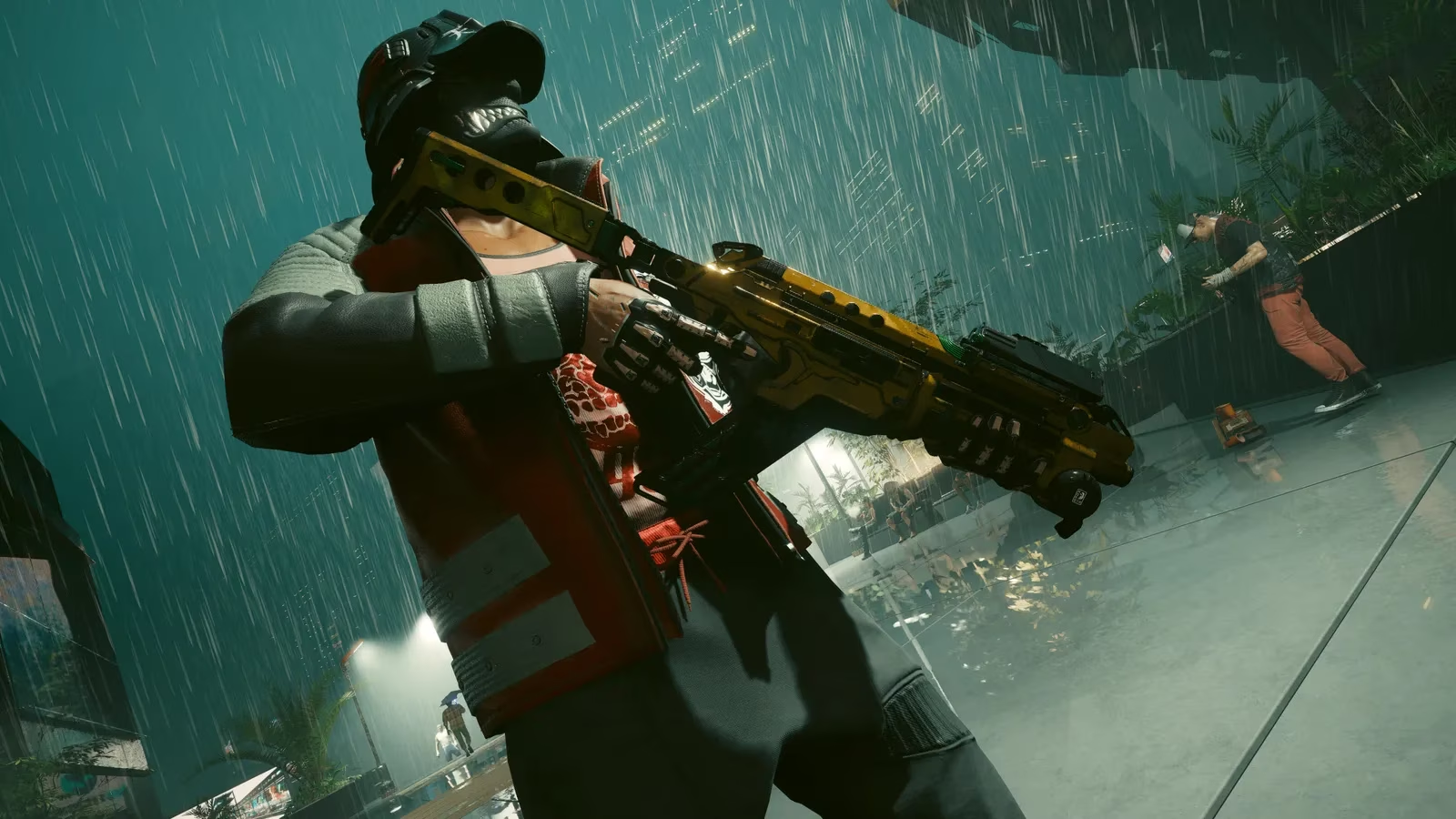
The 2026 version is a different object. Crashes are no longer the headline. The brainless AI has been improved, the soapy driving physics have been tuned, and basic quality-of-life gaps have been filled. Phantom Liberty adds a genuinely stronger spy-thriller arc, a memorable Dogtown, and a relic skill tree that gives builds more texture. The Ultimate Edition and later platform ports make the game easier to recommend than it has ever been. But 'easier to recommend' is not the same as 'good'.
| Area | Launch state | 2026 state |
|---|---|---|
| Stability | Blue screens, delisting, refund chaos | Stable and patched |
| Core systems | Broken AI, shallow economy | Improved but still uneven |
| Narrative | Some heart, many rushed missions | Same uneven rhythm |
| World design | Empty shell behind a gorgeous skyline | Prettier shell, same locked doors |
| Representation | Objectification and stereotypes | Still unresolved |
Cyberpunk 2077 now sits in a strange middle ground: a perfectly passable triple-A game that cost an enormous amount of money and time to reach 'passable'. It still objectifies women, fails to develop or interrogate the racial stereotypes of its gangs, and fetishises trans bodies while locking romance scenes into a cisgendered body regardless of character creation choices. Those are not bug-list items. They are design choices, and no patch notes have erased them.
The same goes for the game's hollowness. The lack of third-person play, the absence of wall-running, and a city that locks players out of most buildings reveal a core that was never as immersive as the marketing suggested. Driving is better but still not good. Some missions have depth and heart; many more feel rushed and linear. Most extra abilities remain useless, the economy is imbalanced, guns lack meaningful variation, and hacking has no substantial function in the wider game. Phantom Liberty improves the surface, but it cannot rebuild the foundation.

Polishing a cracked mirror until it reflects a skyline can make the glass look sharp, but it does not make the room less empty. Cyberpunk 2077 is like restoring a car's paint while the steering column is still attached with zip ties: the shine is real, and the drive is still compromised. Night City is also a magician's stage after the smoke clears: the trapdoor works now, but the trick still has no third act.
By 2026, the sequel Project Orion is in development, and CDPR has every reason to frame the original as a redemption story. The redemption is real in the narrow sense that the game no longer collapses. But the larger story is less flattering. Cyberpunk 2077 was a broken video game, and fixing it turned it into a bad video game that looks like a good game and feels like an amazing game because players remember how broken it once was. Wanting to be cool is not the only reason people hated it at launch, but it is one of the main reasons so many have decided to love it now. 😬