GOG's Phantom Liberty Sale: Free Sunblaze and Deep RPG Discounts
GOG's Cyberpunk 2077 Phantom Liberty sale paired a Sunblaze free giveaway with deep PC game discounts.
The lights on the Xbox showcase stage had barely dimmed when GOG's storefront began to glow with a familiar kind of celebration. CD Projekt Red's parent company turned the reveal of Cyberpunk 2077's Phantom Liberty expansion into a broad PC sale, and in 2026 that promotion still reads like a sharp time capsule of how a major announcement could be translated into immediate player value. The headline gift was Sunblaze, a superhero-themed side-scroller built around precision platforming. It had never been free before, which made the giveaway feel less like a routine coupon and more like a genuine treat for players who enjoy tight jumps, quick restarts, and cheerful comic-book energy.
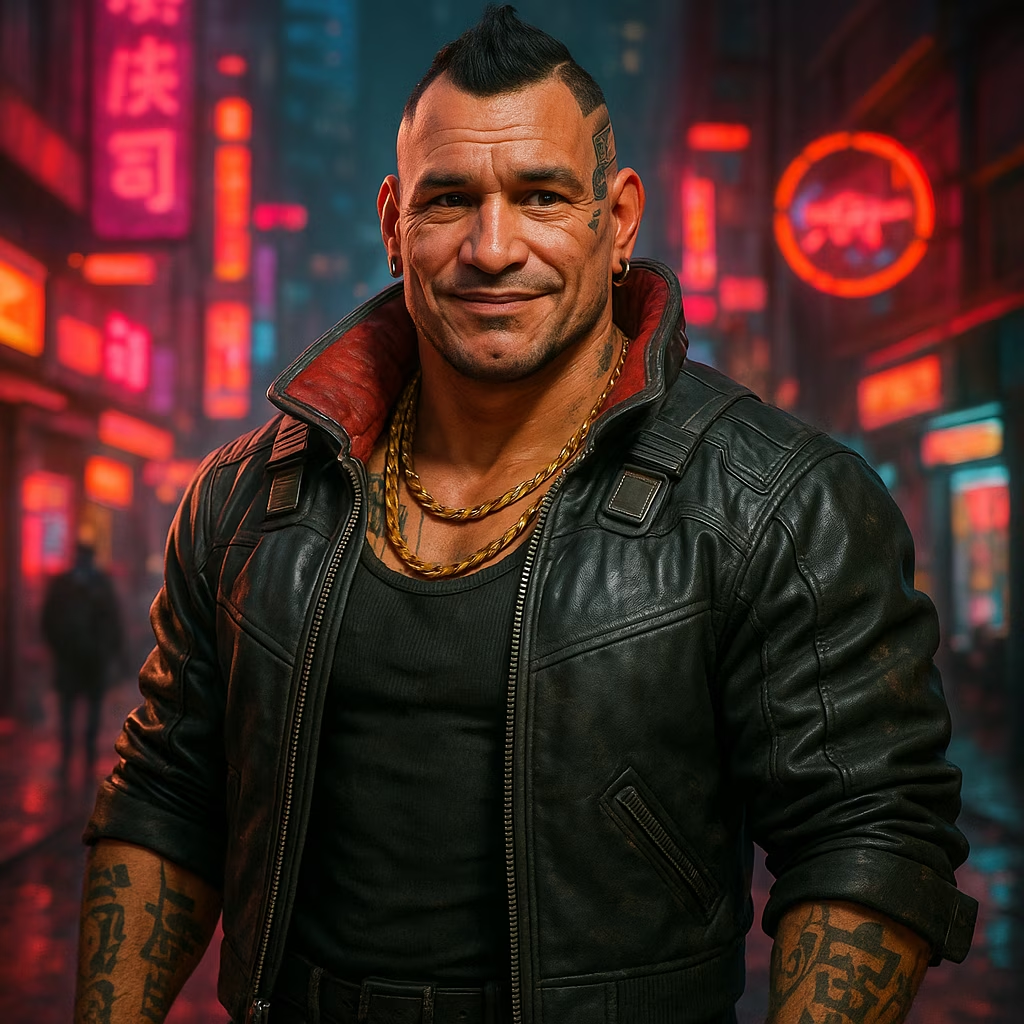
For CD Projekt Red fans, the promotion carried extra weight. Anyone who pre-ordered Phantom Liberty or picked up Cyberpunk 2077 could claim bonus content, including game-inspired goodies and even a 3D printout. The bundle pairing the base game with the Phantom Liberty pack cost $55.99, a strong value when both the game and the expansion were priced at $29.99 each during the sale. A bargain hunter named Lena, the kind of player who keeps a spreadsheet of discounts and a backlog sorted by mood, would have seen the bundle as the centerpiece: one purchase, two enormous experiences, and a stack of digital extras that made the package feel curated rather than merely cheap.
GOG's sale structure followed its usual philosophy. Action, adventure, good old games, casual, RPG, and indie titles each received their own sections, giving the promotion a festival-like rhythm instead of a single overwhelming wall of discounts. The variety mattered. A player could drift from a thoughtful RPG to a retro arcade classic, then land on a life-simulation comfort game without leaving the same storefront. That blend of genres and themes gave the sale a broad pull, and it explained why so many players treated the event as a weekend to explore rather than a quick checkout stop.
Some of the savings were enormous. Disco Elysium: Final Cut fell to $9.00 from $39.00, a steep drop for one of the most distinctive RPGs of its era. Jade Empire: Special Edition reached $3 from $14.00, while My Time At Portia invited life-simulation fans in for $5.99. Rogue Legacy, one of the decade's best side-scrollers, cost a mere $2. The sale also made room for low-key great first-person games: Genesis Alpha One Deluxe Edition was $4 from $29.00. Puzzle A, priced at $1.99, offered a spy-movie love letter to the 1960s era of Bond and spoofs like Get Smart, but with a more serious bend and a point-and-click adventure structure that made it a friendly gateway for newcomers.
The retro selection was especially rich. The Contra Anniversary Collection received a massive discount, a rare event for the DRM-free version of a console-classic compilation. Arkanoid Eternal Battle was $2.99, while all three MegaRace games could be collected for under $1. Fighting fans could grab the first three Mortal Kombat games for $1.49, with the fourth entry, also the series' first 3D entry, at the same rock-bottom price. Stranglehold, a John Woo-inspired thrill ride from the PS3 and 360 era, was only $1.99. For players who loved arcade energy, cinematic action, and the pleasure of owning older games without DRM strings, the sale felt like a museum where every exhibit had a clearance tag.
| Game | Sale Price | Regular Price | Why It Stood Out |
|---|---|---|---|
| Disco Elysium: Final Cut | $9.00 | $39.00 | A landmark RPG at a rare low |
| Jade Empire: Special Edition | $3.00 | $14.00 | BioWare's martial-arts epic for pocket change |
| My Time At Portia | $5.99 | — | A gentle life-simulation retreat |
| Rogue Legacy | $2.00 | — | Genre-defining side-scrolling value |
| Genesis Alpha One Deluxe Edition | $4.00 | $29.00 | A low-key FPS bargain |
| Puzzle A | $1.99 | — | Spy-movie charm with point-and-click appeal |
| Arkanoid Eternal Battle | $2.99 | — | Arcade nostalgia at a tiny price |
| Stranglehold | $1.99 | — | John Woo action in interactive form |
What made the promotion memorable was not just the free game or the Cyberpunk bundle. It was the way the sale invited players to move between blockbuster announcements and small discoveries. A player could pre-order Phantom Liberty, claim Sunblaze, then spend less than the price of a coffee on a classic fighter or a retro racing curiosity. In 2026, with subscription catalogs and always-online libraries competing for attention, that DRM-free, ownership-first approach still carries a distinct appeal. The Phantom Liberty sale became a story about momentum: a reveal created excitement, a storefront turned that excitement into exploration, and thousands of games waited behind the spotlight for anyone willing to scroll a little further. 🎮