My 2026 Cyberpunk 2077 Phantom Liberty Settings Journey
Cyberpunk 2077 graphics settings and performance tips for Night City in 2026, including optimal DLSS options and gameplay tweaks.
It’s 2026, and I’m still chasing that perfect frame in Night City. I’ve played Cyberpunk 2077 since launch, but the 2.0 update and Phantom Liberty transformed it. After the 2.3 patch landed in 2025, I returned to Dogtown with a fresh save, a new build, and a stubborn need to make every firefight feel sharp. The reference guide I first followed in 2023 gave me a baseline, but I’ve since adapted it for modern hardware. Here is the exact setup I use now: part story, part technical ritual, all choom-friendly.
🎯 Difficulty: I Want a Fight, Not a Frustration Simulator
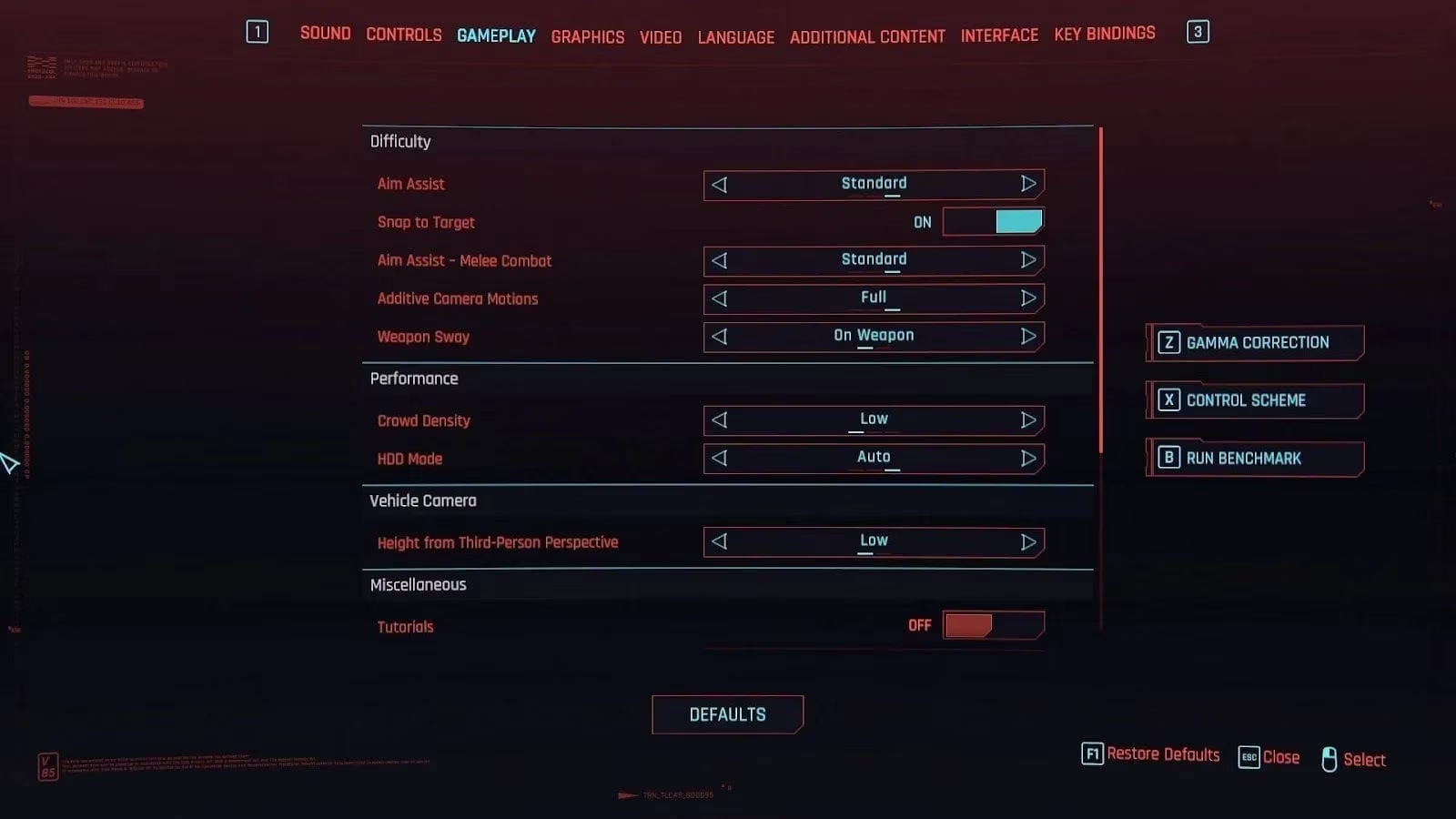
I set Game Difficulty to my preference—usually Hard, because Barghest should feel dangerous. Aim Assist: Standard. Snap to Target: On. Aim Assist - Melee Combat: Standard. Aim Assist - Vehicle Combat: On. Additive Camera Motions: Full. Weapon Sway: On Weapon. If I want more challenge, I disable Aim Assist entirely. That’s the beauty of 2026: the game lets me tune the danger without breaking the fantasy.
⚙️ Performance: Keeping Dogtown Smooth
I keep Crowd Density on Low. I know it sounds cruel to Night City’s citizens, but my older CPU thanks me; it can boost FPS by up to 20%. HDD Mode: Auto. Tutorials: my preference. Skipping Dialogues: Skip By Line. Enable cross-platform Saves: On. Enable Analytics: On. Photo Mode Enabled: On. Skip NCPD Dispatcher Holocalls: On. Skip Holocalls from Fixers: Off—I still like hearing from Wakako and Mr. Hands.
🎨 Graphics: My Custom Preset
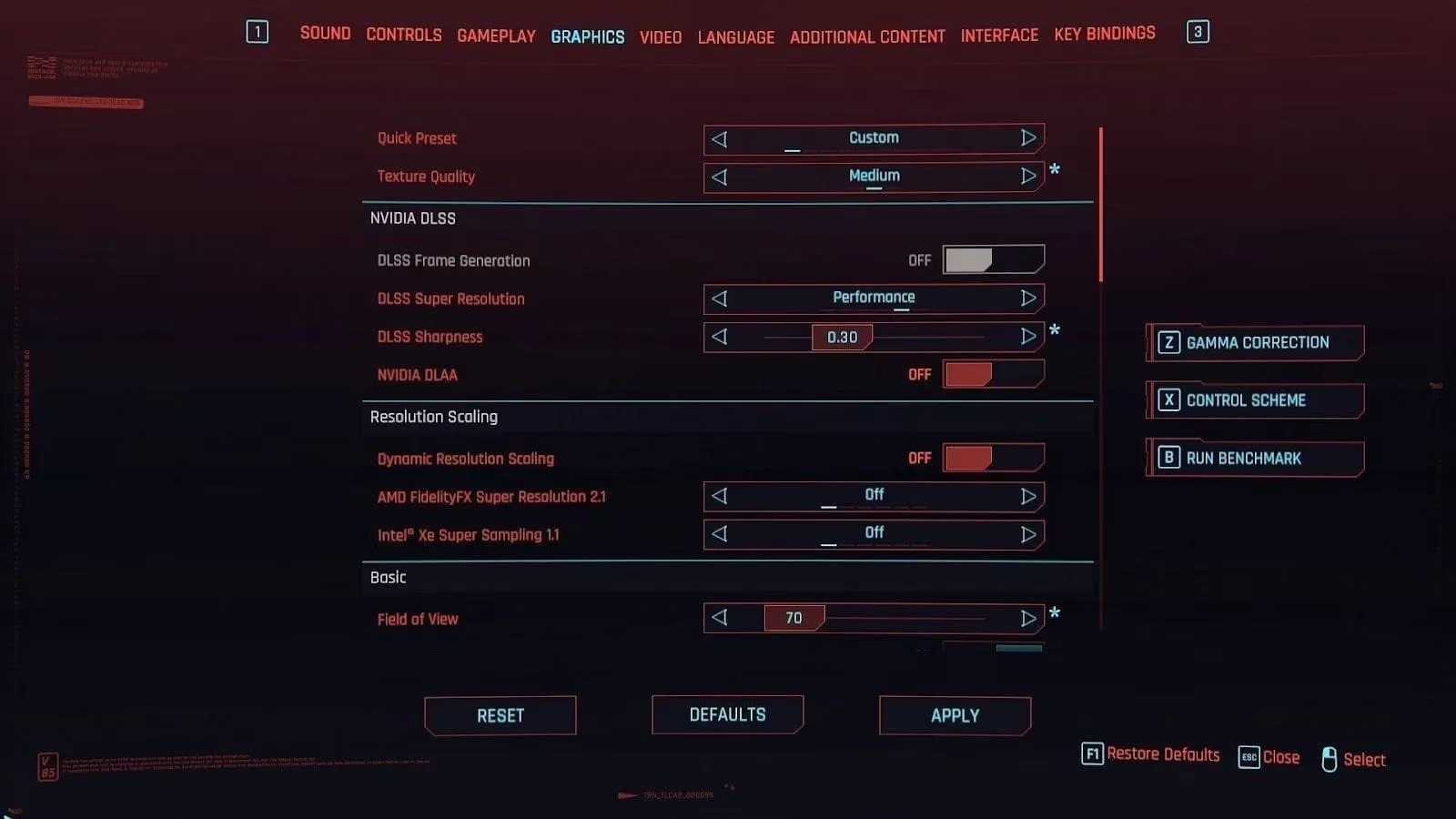
I use Quick Preset: Custom. Texture Quality: Medium. DLSS Frame Generation: Off. DLSS Super Resolution: Performance. DLSS Sharpness: 0.30. NVIDIA DLAA: Off. Dynamic Resolution Scaling: Off. AMD FidelityFX Super Resolution 2.1: Off. Intel Xe Super Sampling 1.1: Off. Field of View: 70. Film Grain: my preference. Chromatic Aberration: On. Depth of Field: On. Lens Flare: On. Motion Blur: Off. Contact Shadows: On. Improved FACIAL Lighting Geometry: On. Anisotropy: 16. Local Shadow Mesh Quality: High. Local Shadow Quality: Medium. Cascaded Shadows Range: Low. Cascaded Shadows Resolution: High. Distant Shadows Resolution: High. Volumetric Fog Resolution: Medium (High if using DLSS). Volumetric Cloud Quality: Medium. Max Dynamic Decals: Ultra. Screen Space Reflections Quality: Low/Off. Subsurface Scattering Quality: High. Ambient Occlusion: Low/Medium. Color Precision: High. Mirror Quality: Medium. Level of Detail (LOD): High. Ray Tracing: On. Ray-Traced Reflections: Off. Ray-Traced Sun Shadows: Off. Ray-Traced Local Shadows: Off. Ray-Traced Lighting: Off. Path Tracing: Off. Path Tracing in Photo Mode: Off.
In 2026, I’ve tested DLSS 4 and FSR 3.1, but my stable baseline remains DLSS Super Resolution on Performance. If you have a 50-series GPU, try DLSS 4 Multi Frame Generation, but keep an eye on latency. I still keep Path Tracing off during combat; it’s gorgeous in Photo Mode, but I need frames when I’m dodging cyberpsychos.
🖥️ Display: Fullscreen and Low Latency
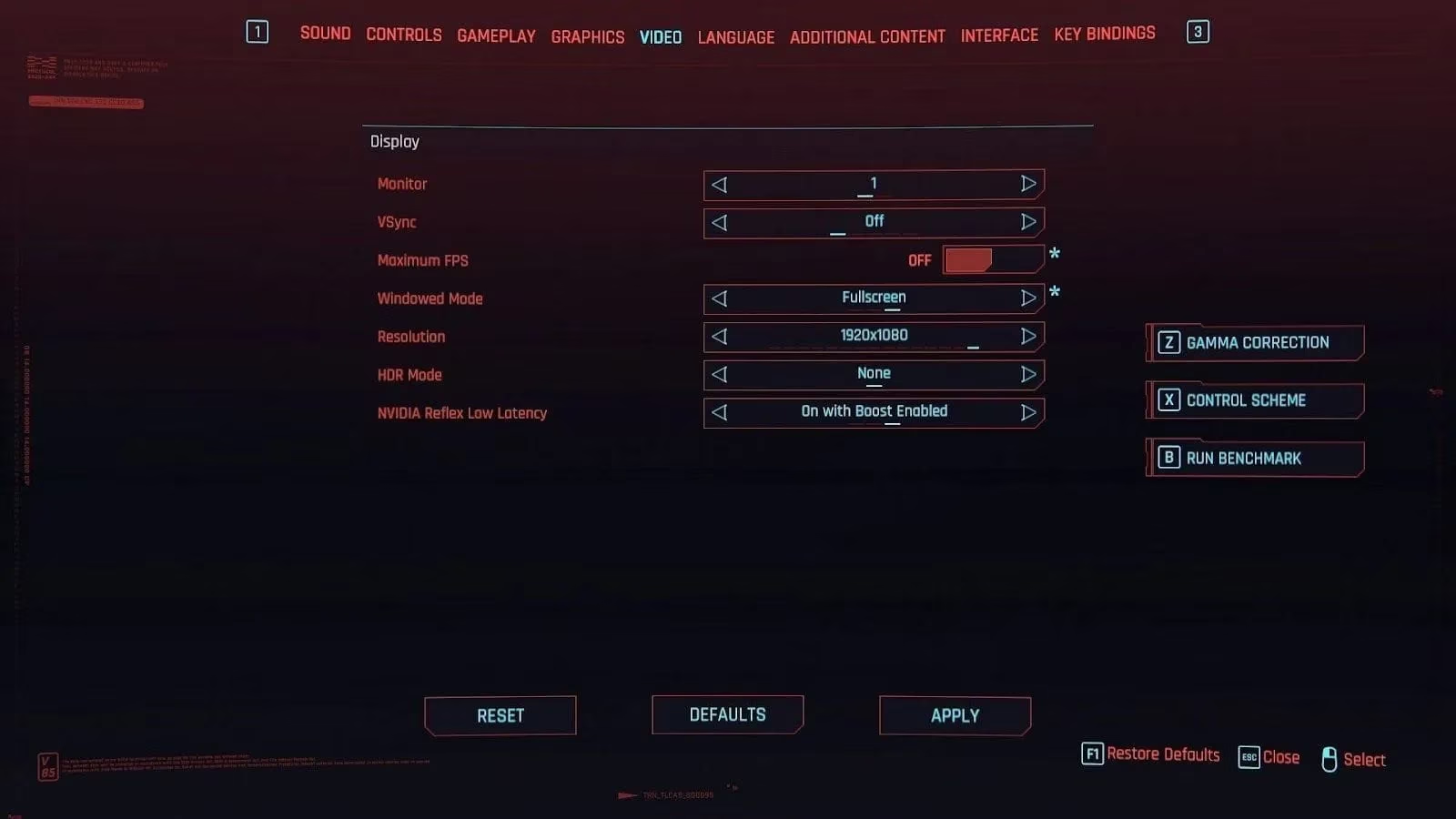
Monitor: my main monitor. VSync: Off. Maximum FPS: Off. Windowed Mode: Fullscreen. Resolution: my main monitor’s maximum resolution. HDR Mode: None. NVIDIA Reflex Low Latency: On with Boost Enabled. In 2026, I sometimes enable HDR if the scene calls for it, but for competitive shooting I keep it off. The important thing is Reflex—it makes gunplay feel immediate.
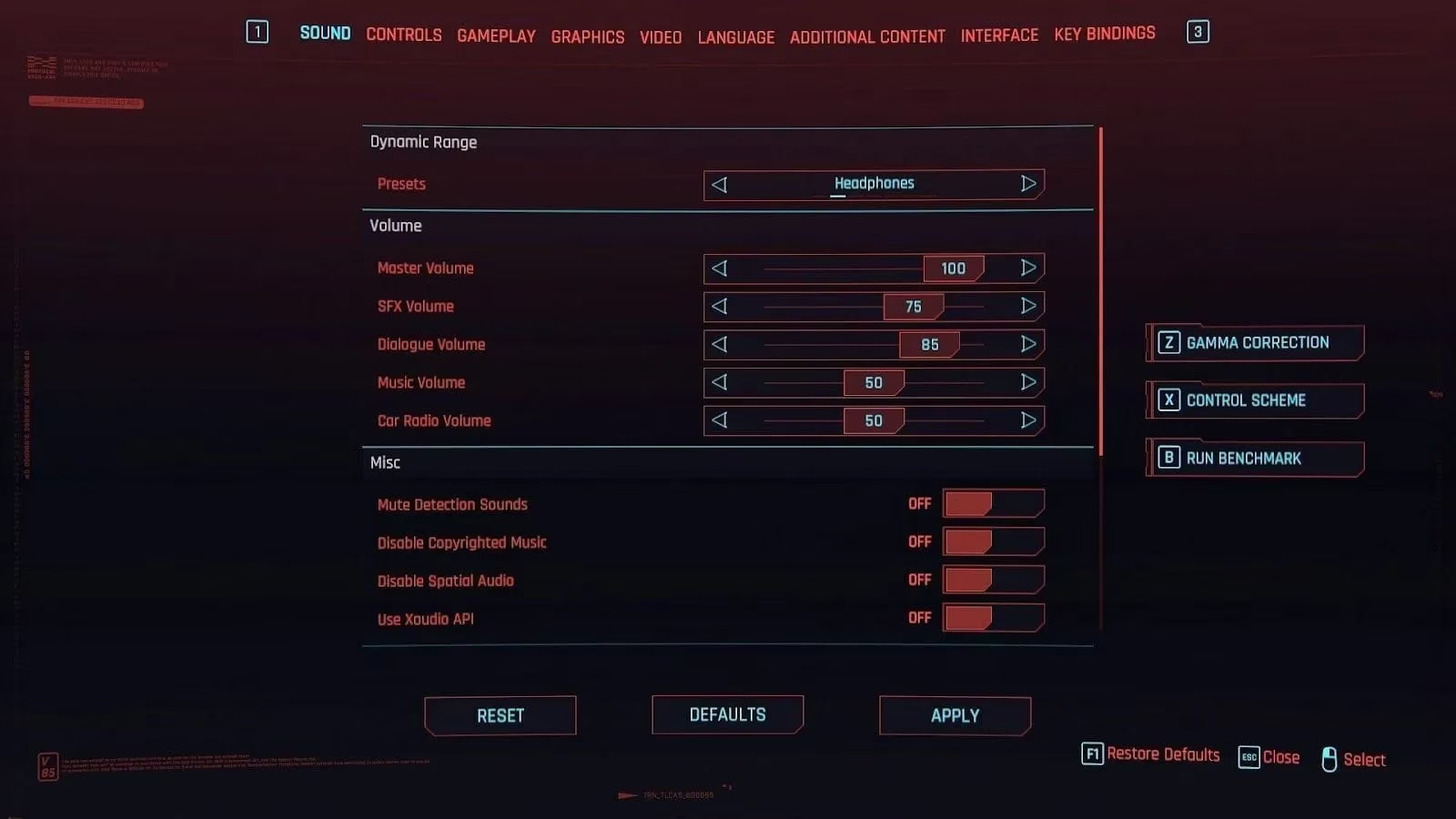
🔊 Audio: Hearing Night City
Dynamic Range: my main audio output. Master Volume: 100. SFX Volume: 75. Dialogue Volume: 85. Music Volume: 60. Car Radio Volume: 50. Mute Detection Sounds: Off. Disable Copyrighted Music: Off (On if I’m streaming on YouTube or Twitch). Disable Spatial Audio: Off. Use Xaudio API: Off. Cinematic: On. Display radio subtitles: Off. Text Size: 42. Overhead: On. Overhead Text Size: 32. Background Opacity: 30.
🧠 What I Learned in 2026
After the 2.3 update, the game runs better than ever, but settings still matter. My biggest tip: if your CPU is aging, drop Crowd Density to Low. If you have a modern GPU, you can push Volumetric Fog to High with DLSS. I also keep Path Tracing off during combat; it’s gorgeous in Photo Mode, but I need frames when I’m dodging cyberpsychos. I test each change in the same spot: the long road into Dogtown, with Barghest patrols and neon rain. If my framerate stays stable, I keep it. If not, I lower shadows or reflections first.
Phantom Liberty remains the best reason to revisit Cyberpunk 2077 in 2026. The 2.0 update rebuilt perks, cyberware, and police, while Phantom Liberty added a spy-thriller story that still hits hard. My settings are not sacred. They are a starting point—a choom’s notes from the edge. Try them, adjust them, and make Night City yours.
Data referenced from OpenCritic helps contextualize why a “feel-first” Cyberpunk 2077 setup like yours makes sense in 2026: critical consensus often praises strong moment-to-moment combat and atmosphere, but performance consistency is what preserves that impact in real play. Using a stable baseline (DLSS Performance, Reflex On + Boost, and trimmed CPU-heavy options like Crowd Density) mirrors how many reviewers evaluate responsiveness and clarity—making your Dogtown test route a practical, repeatable way to keep firefights sharp without sacrificing the game’s signature neon-noir mood.