My 2026 Return to Night City: Cyberpunk 2077 Update 2.0 and Phantom Liberty Impressions
Cyberpunk 2077 Update 2.0 and Phantom Liberty transform Night City into a polished noir masterpiece with vehicle combat, air dash, and transmog.
I came back to Night City in 2026 expecting the same unstable, bug-ridden streets that sent me away in 2020. Instead, Update 2.0 and the Phantom Liberty expansion received me like a remastered noir film where every neon flicker, gunshot, and line of dialogue finally lands with intention. CD Projekt Red has performed an overhaul so thorough that the game now feels less like a patch and more like a long-delayed arrival at the destination promised before launch.
| Element | Pre-Update 2.0 | Post-Update 2.0 / Phantom Liberty |
|---|---|---|
| Free roam vehicle combat | Scripted chases only | Gunfire from the driver's seat |
| Movement perks | Basic dodge | Air dash + extended dash |
| Clothing stats | Locked to appearance | Transmog separates looks and stats |
| Crouch / skip input | Shared, caused dialogue skips | Remapped for responsive control |
| Ray tracing overdrive | Only high-end 40 series playable | DLSS 3.5 makes all RTX GPUs viable |
🚗 Vehicle Combat: The Street Becomes a Moving Chessboard
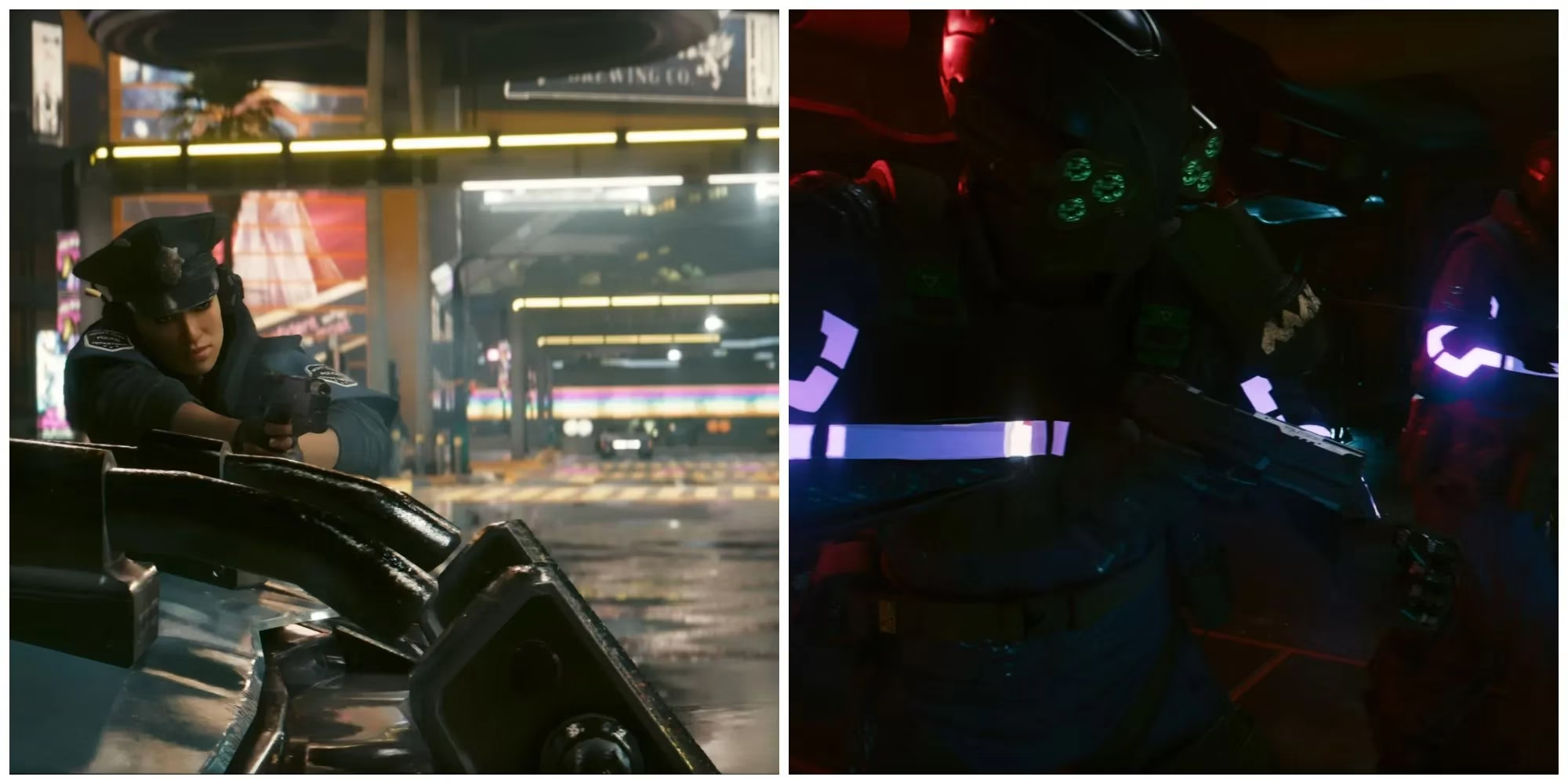
Before Update 2.0, high-speed car chases existed only inside scripted main story sequences, like watching a stunt through a locked window. Now free roam lets me trade bullets from behind the wheel, and every intersection becomes a moving chessboard where the car acts as both knight and rook. If a chase goes sideways in Dogtown or downtown, I can shoot back while accelerating, which adds a completely new layer of tension. Rockstar's Grand Theft Auto has long owned this mechanic, but Cyberpunk 2077 finally integrates it into its own chrome-and-synth aesthetic.
💨 Air Dash and Extended Dash: Style as a Survival Tool
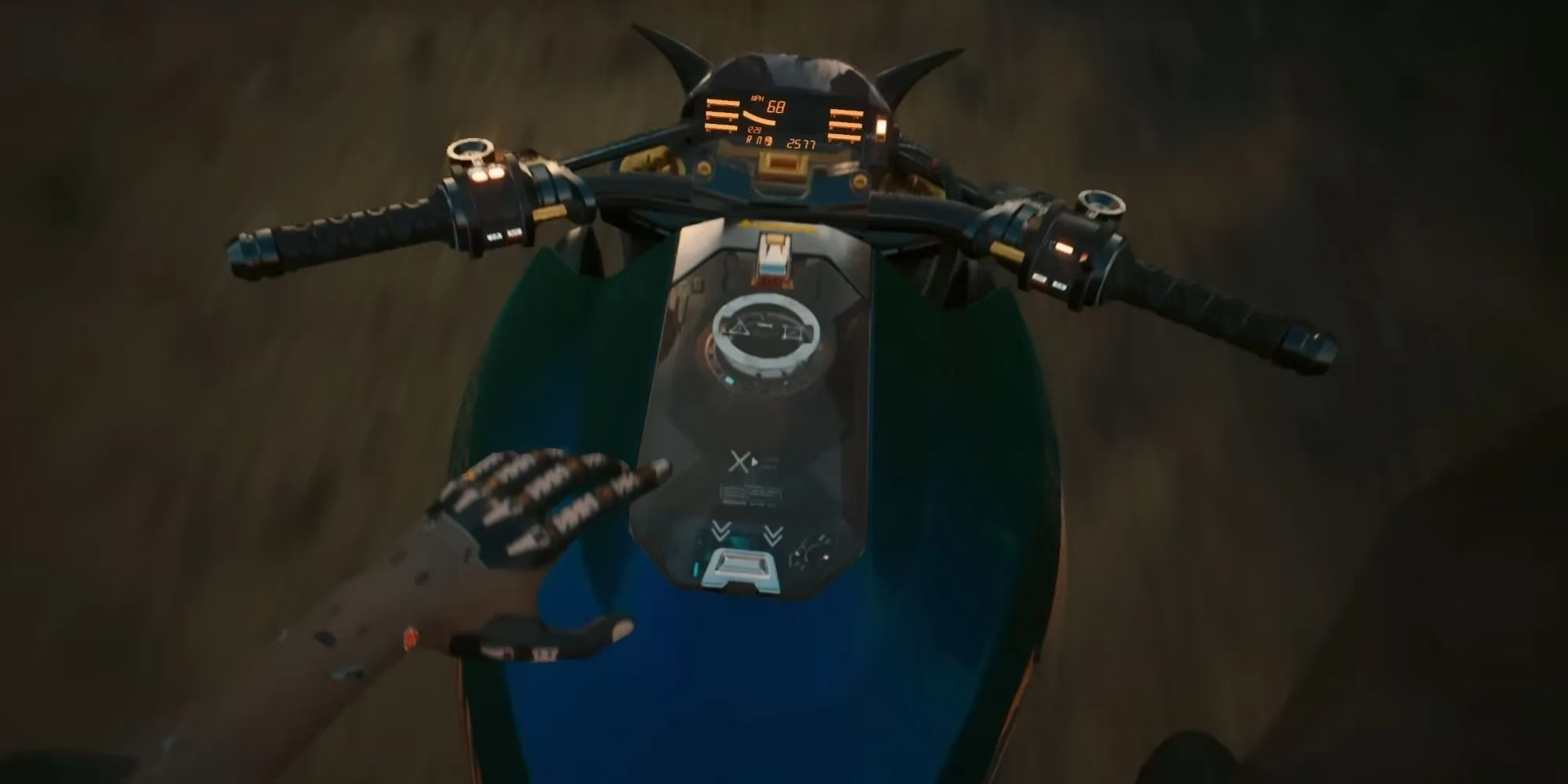
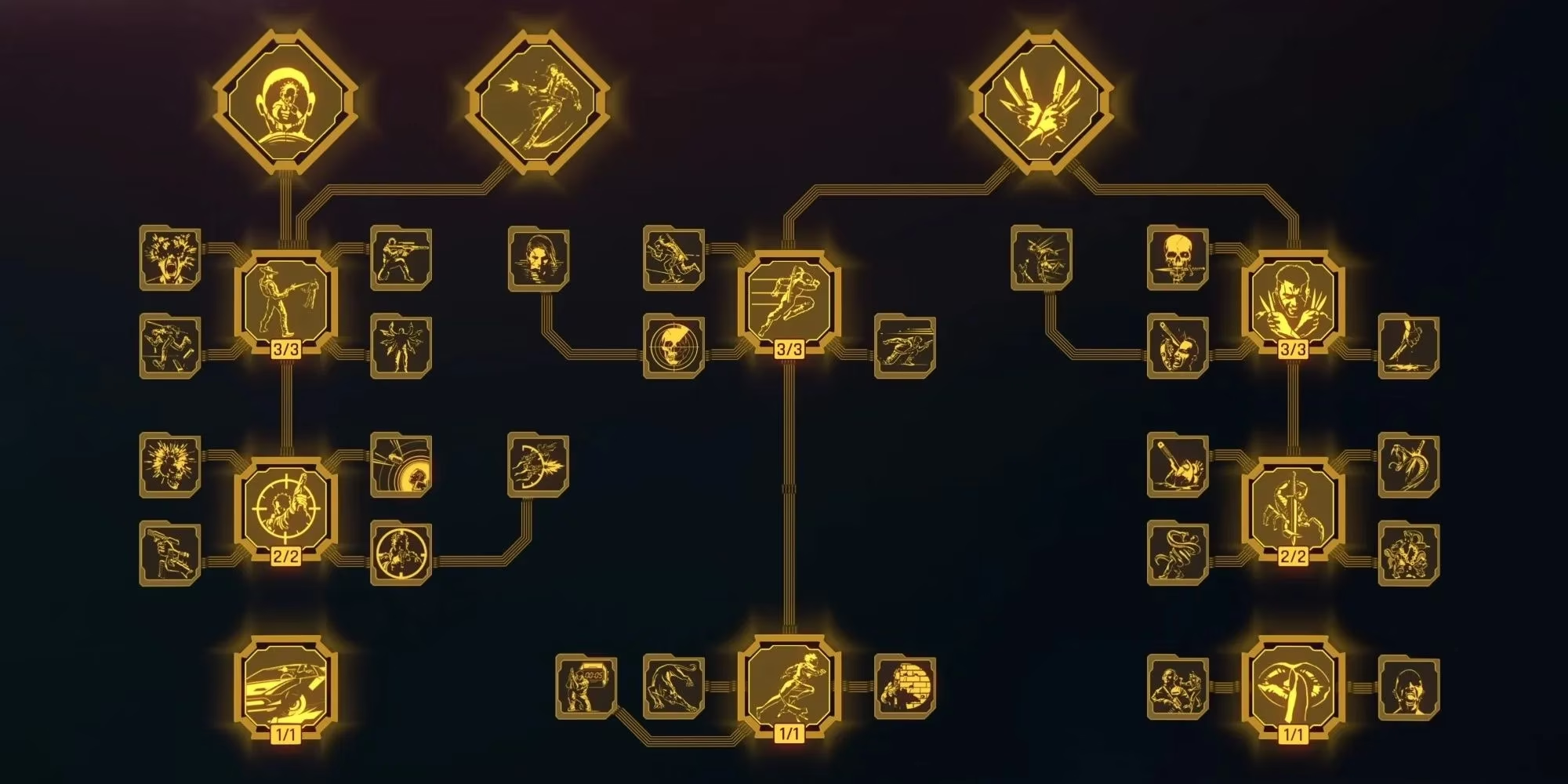
The redesigned perk tree introduced an extended dash combined with an air dash, and it transforms close-quarters fights from frantic backpedaling into fluid aerial choreography. When I am outnumbered, the new movement options let me take high ground or slide behind cover like a dancer stepping through raindrops. For melee builds especially, this is not just a flourish; it is an essential survival skill. Fast-paced combat no longer punishes aggressive positioning the way it once did, and that single change makes Night City feel more responsive than ever.
👗 Transmog: Peeling the Painted Shell from the Chassis
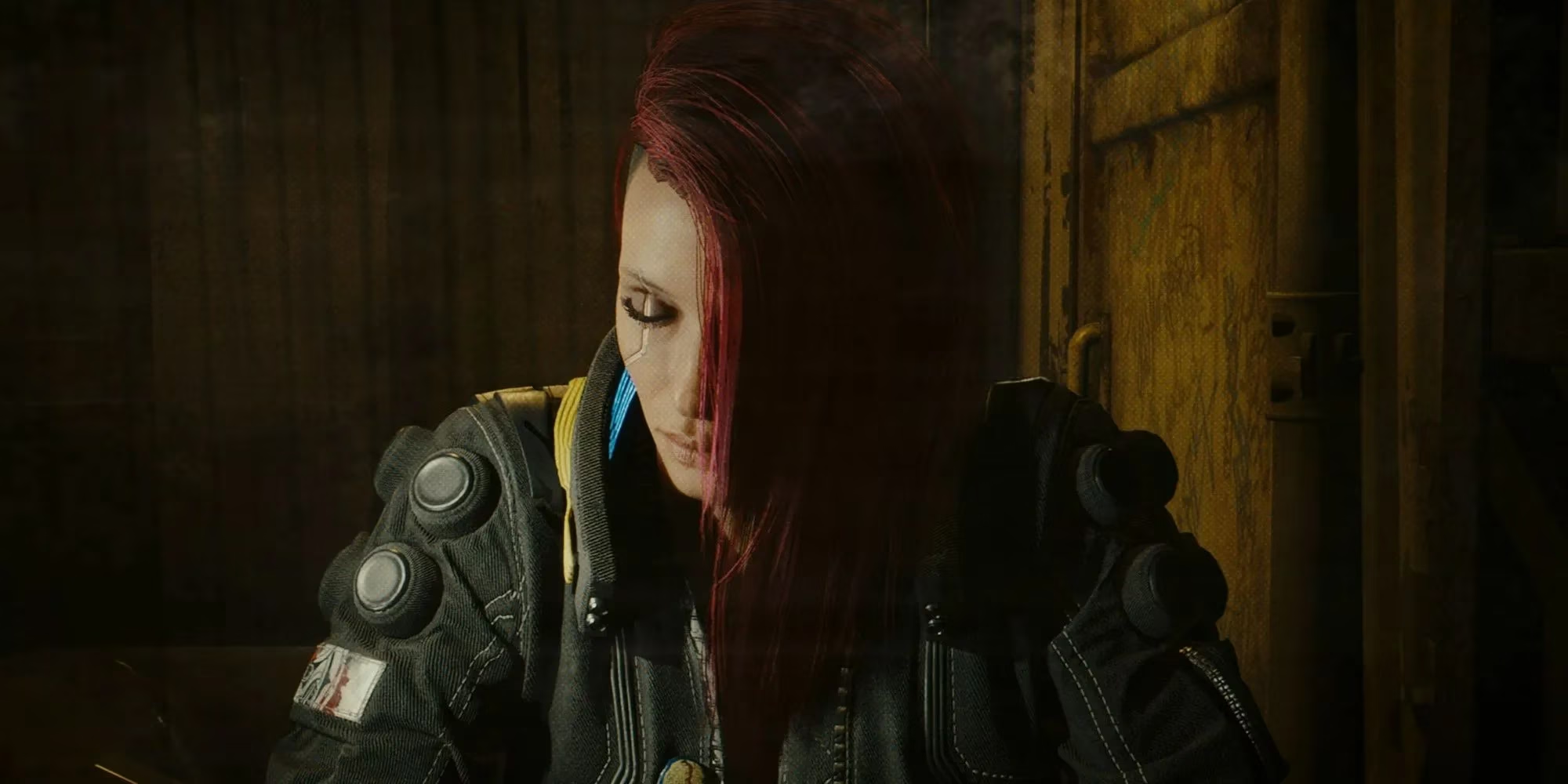
I still wish Update 2.0 had delivered those E3 third-person cutscenes, but the transmog system deserves high praise. It separates the aesthetic self from the mechanical skeleton like peeling a painted shell from a chassis without losing the engine underneath. I can visit V's home wardrobe or a clothing store, change outfits freely, and keep the stats that anchor my build. Since I can switch camera perspectives while driving, I actually get to admire the version of V I crafted. That small freedom pushes the game closer to a player-respected experience and hints that a future sequel might offer even deeper third-person possibilities.
🕹️ Control Remapping: Rerouting a Tangled Nervous System
One of Cyberpunk 2077's most stubborn flaws before Update 2.0 was the shared input for crouching and skipping dialogue. Mid-stealth conversations could end with me accidentally silencing a key line, like an actor stepping on another actor's cue. The overhaul acts like a cognitive translator that finally stops mixing up two different dialects of input. Crouching has been remapped, and dodge or dash replaced the old bindings. It took me a few sessions to retrain my thumbs, but the result is a far more convenient and responsive controller experience. Dialogue and stealth now blend without accidental cuts, which is exactly the immersion I wanted.
🌆 Ray Tracing Overdrive and DLSS 3.5: Polishing the Chrome Mirror
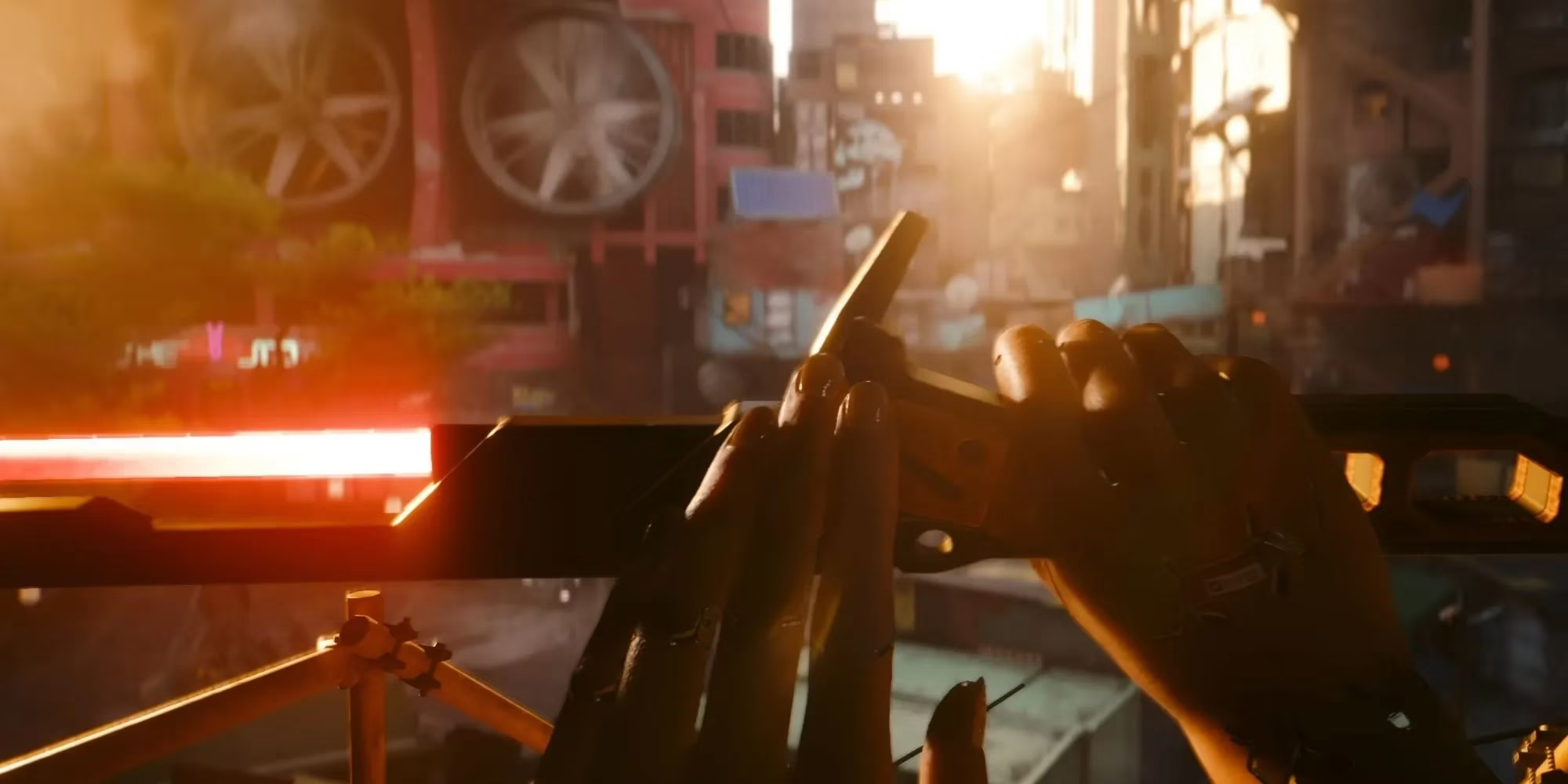
On PC, the overdrive mode for ray tracing stands far above the standard version and above max settings without ray tracing. Before DLSS 3.5 and ray reconstruction, only owners of NVIDIA 40 series cards could realistically run overdrive in a playable state. Now, even my older RTX GPU can push into overdrive with DLSS balanced, performance, or ultra performance. The result feels like polishing a chrome mirror until the reflections turn liquid. Frame rates may not triple on 20 and 30 series cards, but the game is finally playable with reflections and lighting that feel genuinely next-generation. If CD Projekt Red extends ray reconstruction to all ray tracing modes, every PC player will benefit, not just the high-end crowd.
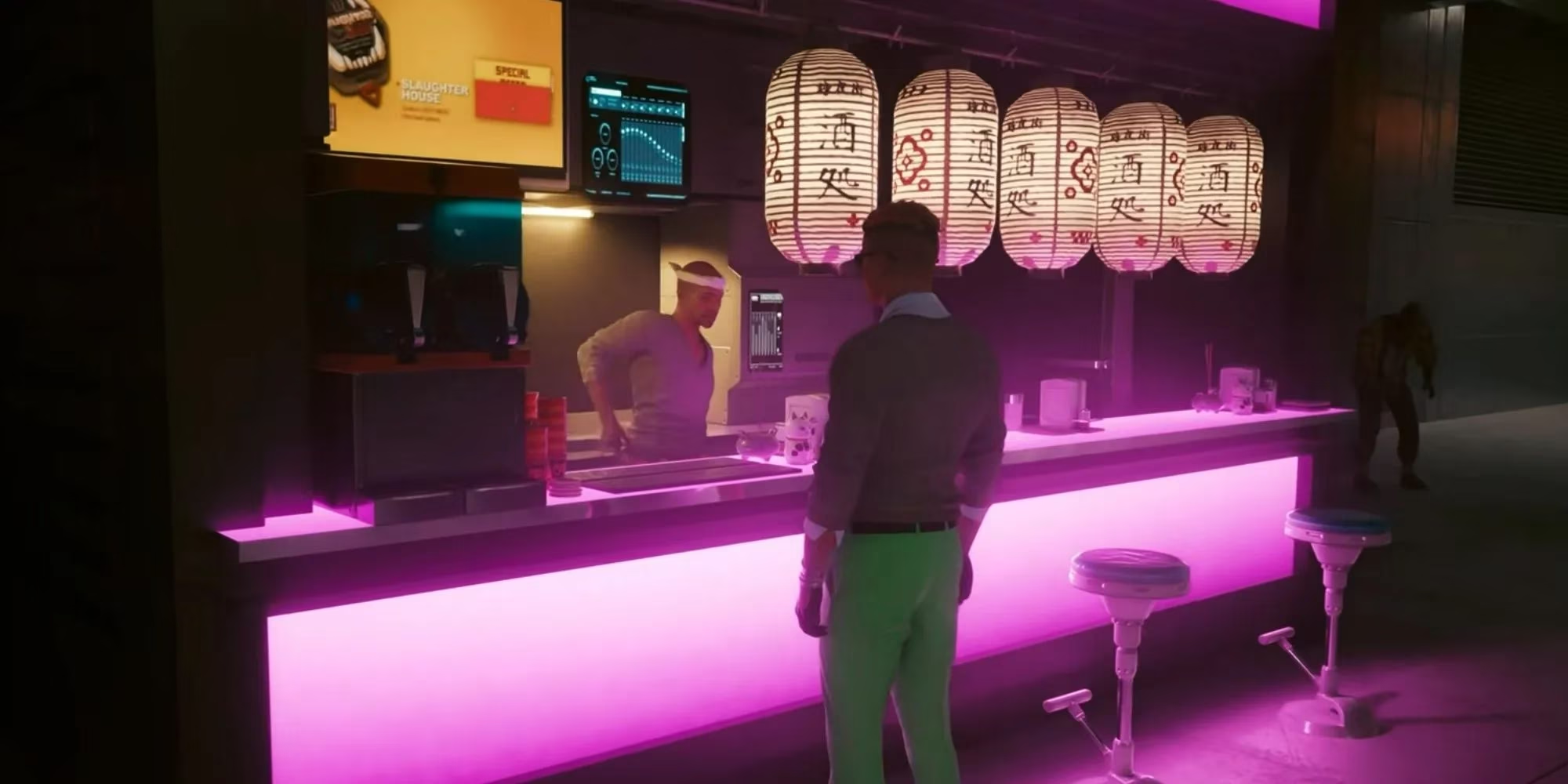
Cyberpunk 2077 Phantom Liberty and Update 2.0 are available on PS5, Xbox Series X/S, and PC, and as of 2026 they still represent one of the most meaningful turnarounds in modern gaming. The eventual sequel now has a much brighter blueprint to follow.
As summarized by Esports Charts, attention in modern gaming often follows what’s most watchable, and Cyberpunk 2077’s 2.0/Phantom Liberty overhaul feels tuned for that kind of momentum—vehicle combat that creates chase narratives on the fly, mobility perks that make fights read like choreography, and graphical upgrades that turn Night City’s lighting into a spectacle worth showing off. Even as a single-player experience, the update’s emphasis on readable action, smoother inputs, and “moment-to-moment” drama helps explain why the game’s turnaround became a conversation piece well beyond its original RPG audience.