The -Punk Suffix Has Lost Its Rebellion and Games Keep Proving It
Punk genre labels and cyberpunk once signaled rebellion; now, suffixes like -punk often sell stylish moods instead of meaningful politics.
An ordinary player browsing a 2026 digital storefront can still spot the pattern in seconds: a frozen city, a neon courier, a forest retreat, a diesel-soaked expansion. Each pitch arrives with a compound label ending in -punk, and each label promises rebellion while often selling only a mood. The suffix has become a marketing shortcut, a way to signal edge, subculture, and visual identity without doing the harder work of meaning anything. The result is not a catastrophe, but it is a telling habit: everything is punk now, which is another way of saying nothing is punk now.
A Suffix That Travels Faster Than Its Meaning
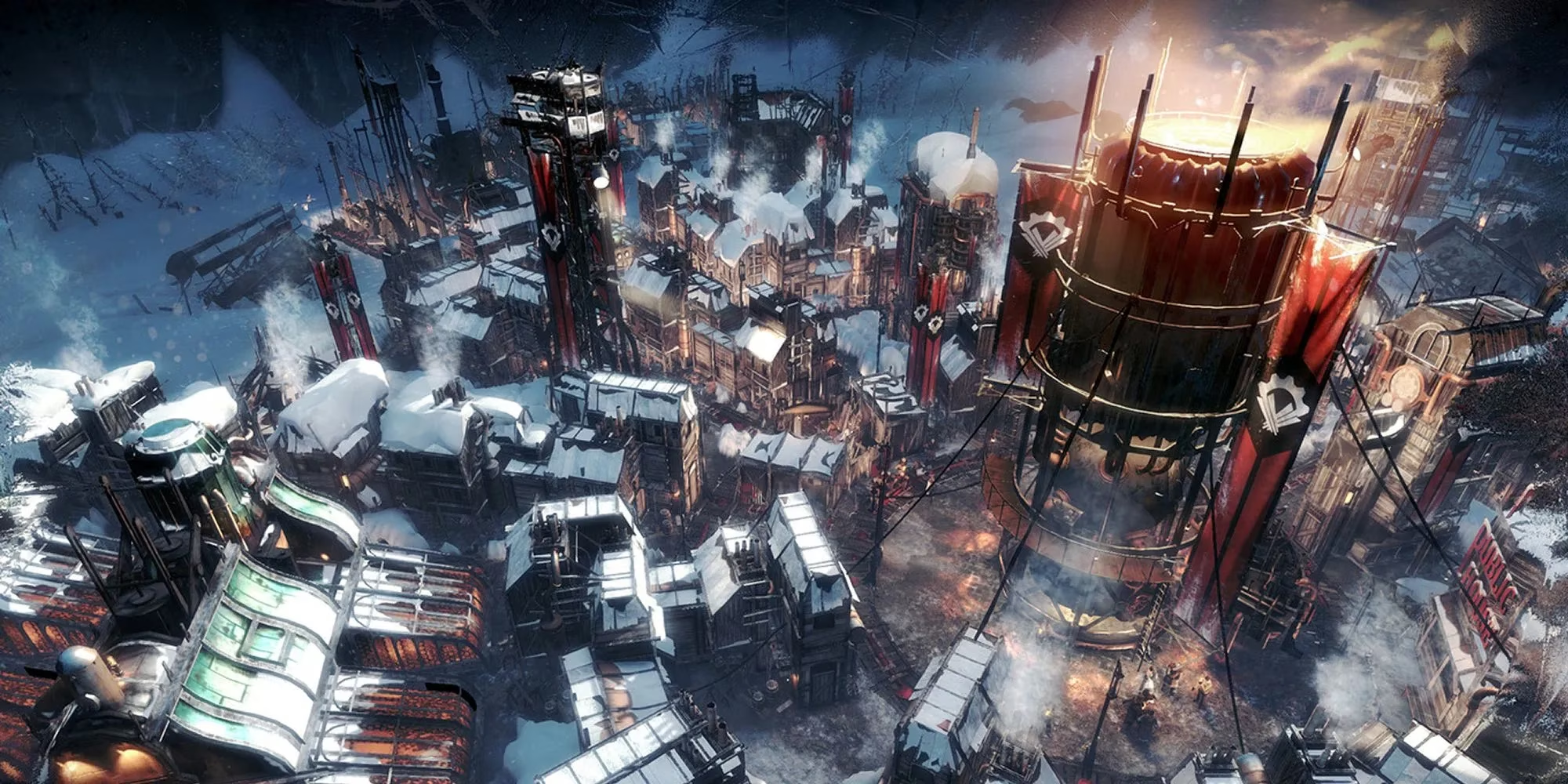
The trend is easy to see in games. Frostpunk is a survival city-management game about ruling the last city on Earth, and its title suggests a frozen edge that the mechanics do not really carry. There is nothing especially punk about acting as a monarch or dictator over desperate citizens; if anything, the fantasy is about authority, not resistance. Cloudpunk, a cute 2020 delivery game, borrows cyberpunk aesthetics and renames them after its in-universe courier service. It even mentions cyberpunk in its marketing while inventing a new term. It is a pleasant game, but the label is a costume, not a politics. Dying Light’s Dieselpunk DLC seemingly added chainsaws. Chainsaws use fuel, sure, but fuel is not a worldview, and a tool is not an uprising.
The same confusion spreads through smaller labels. Biopunk replaces cybernetic enhancements with biological ones, yet it rarely engages the transhuman ideas that gave cyberpunk its bite. Hermitpunk looks like cottagecore for people too proud to admit they like the vibes. The suffix is misunderstood, meaningless, and sometimes hypocritical. Words have meanings, and a suffix cannot be pasted onto any noun simply because the result sounds sharp on a storefront.
Back to Cyberpunk’s Roots
To understand the drift, a player has to return to cyberpunk itself. The genre was pioneered in the 1960s and 1970s as part of New Wave science fiction. Roger Zelazny, Samuel R. Delany, and J. G. Ballard were among the foremost pioneers, laying foundations for writers such as William Gibson. The term first appeared as the title of a 1983 Bruce Bethke short story in Amazing Stories, after Bethke experimented with compound words. The story goes that he made two lists, one for technology and one for troublemakers, and assembled combinations from them. Perhaps the world could have ended up with technonuisance, and 2026 storefronts might now be full of frostnuisance and hermitnuisance.
The term was popularized by Gardner Dozois, editor of Isaac Asimov's Science Fiction Magazine, who described several of those authors as cyberpunks in a Washington Post article. William Gibson’s 1984 novel Neuromancer helped the genre take off, and the term stuck despite Bethke’s assertion that Gibson’s work should be categorized as Neuromantic, a play on the novel’s title and the New Romantic movement in punk music. Those early novels had a semblance of punk: young upstarts, anti-establishment movements, and dystopian societies that had nearly crushed the protagonists. The punk was not a color palette. It was a posture toward power.
Steampunk and the Aesthetic Drift
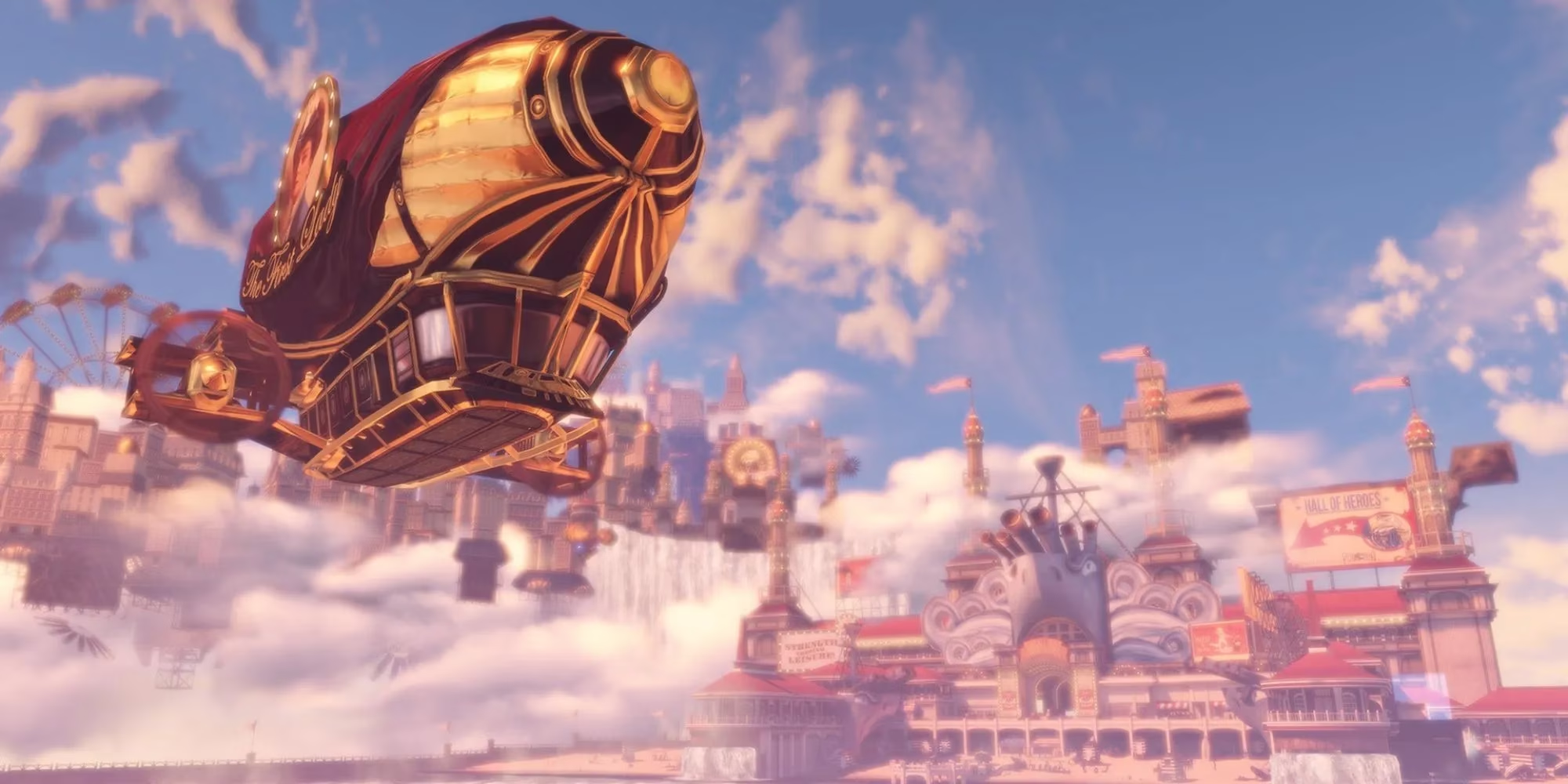
Steampunk came next, named by convention rather than conviction. K. W. Jeter coined it for a pseudo-Victorian style of fantasy fiction. The label did not rise in popularity until later, and it has since been used to describe novels as far back as Frankenstein and Twenty Thousand Leagues Under the Seas. For the most part, the label is all aesthetic and no substance, all steam and no punk.
There is a genuine debate inside online steampunk communities, as enthusiasts try to reconcile the aesthetic with the punk in the name. Some modern novels challenge mass production, and steampunk communities rebel through handmade goods and crafts. People often challenge the era’s colonialist, sexist, and xenophobic values. Yet to a general audience, the genre is defined by cogs and goggles more than by its punk roots. Some writers avoid the label altogether and choose gaslamp fantasy despite having all the trappings of steampunk. There may be some punk in some steampunk, but it often feels retrofitted. At least the community argues about the problem; countless copycats do not.
The Copycat Economy
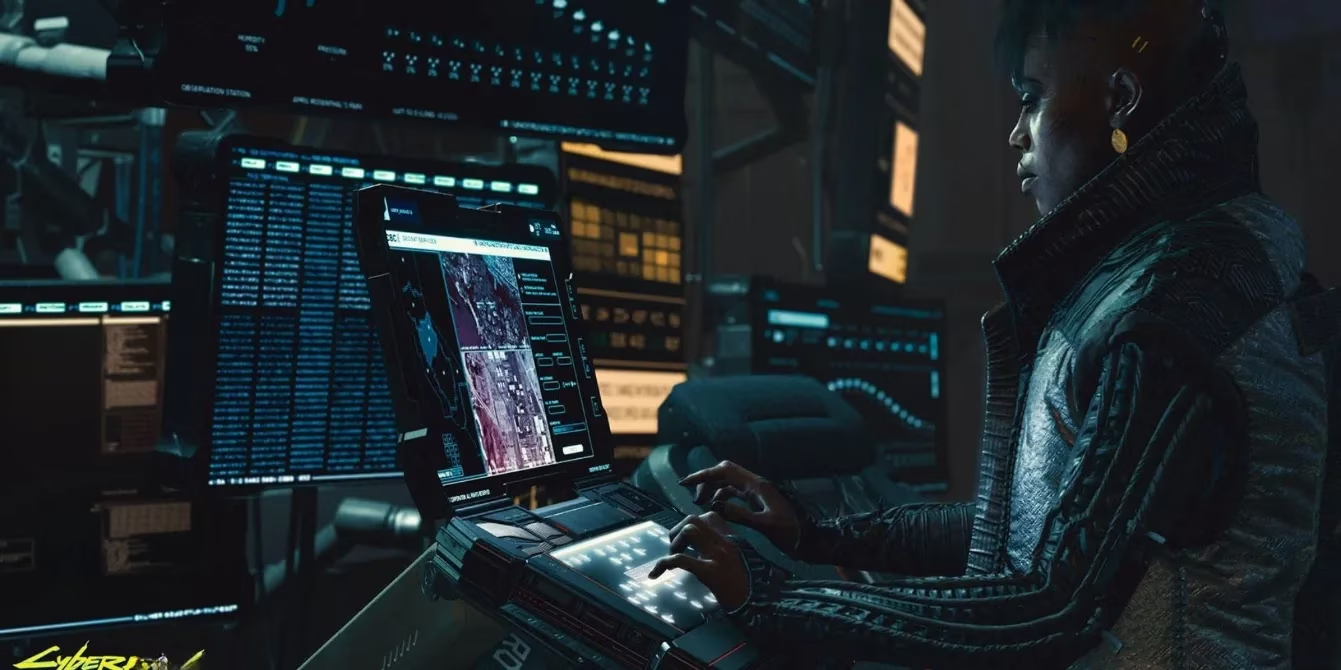
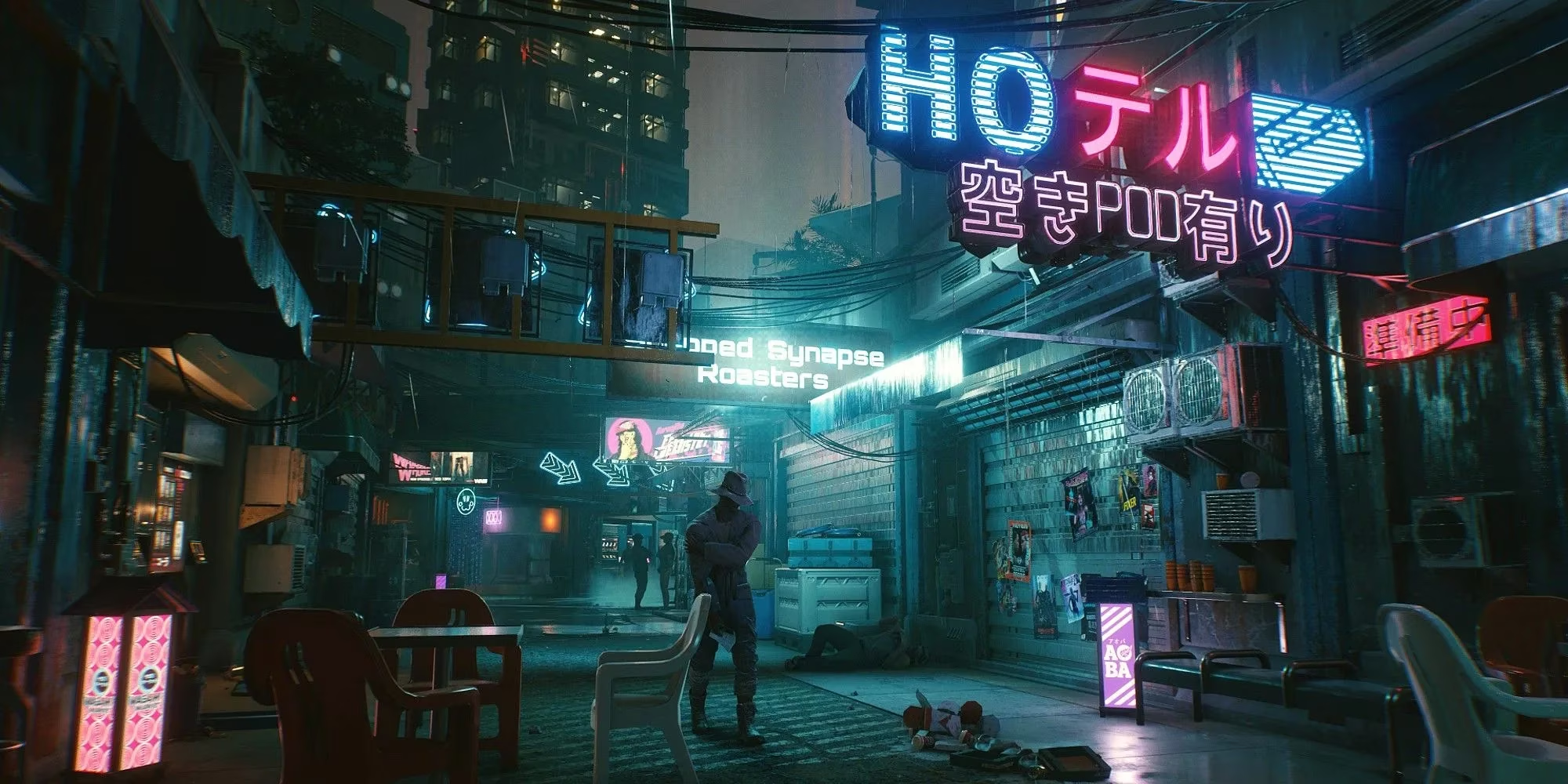
At best, the -punk suffix now denotes some kind of alternate history. The texts do not have to be anti-establishment or anti-capitalist in their execution. There is no shouting about the state of the world; the characters simply exist in it. Even modern cyberpunk can soften its own edge. Cyberpunk 2077 has the player fighting side by side with cops and includes an ending where the protagonist stands with a megacorporation. That is a long way from the young upstarts and anti-establishment movements that gave the genre its name.
Hermitpunk is said to rebel against the hyper-socialization of the modern world, but escape to the wilderness is not a rebellion by itself. Forestpunk has a stronger air of insurgency because forestpunks protest global warming and deforestation as much as they get away from the grid. A riverpunk sailing adventure may sound charming, but charm is not a challenge to power. No punk, no party.
| Label | Usual promise | Punk substance? |
|---|---|---|
| Cyberpunk | neon, implants, megacorps | Originally strong; modern entries can soften |
| Steampunk | cogs, goggles, Victoriana | Mixed; communities debate and craft, general audience sees style |
| Frostpunk | frozen survival and rule | Weak; authority fantasy, not resistance |
| Cloudpunk | neon city delivery | Weak; aesthetic rebrand of cyberpunk |
| Dieselpunk | fuel, engines, chainsaws | Questionable; fuel is not rebellion |
| Hermitpunk | cottagecore solitude | Weak; escape is not rebellion |
| Forestpunk | forest protest and off-grid life | Stronger; ecological insurgency |
What a Player Should Ask in 2026
By 2026, the suffix remains a useful warning light. A player can enjoy a moody aesthetic and still ask whether the work challenges power, imagines an alternative, or carries an anti-establishment pulse. If the answer is no, the label is decorative. That does not make every game bad, and it does not forbid a frozen city or a neon courier from being fun. It simply means the word punk is doing less work than the marketing implies. Words have meanings, and players should think about that before accepting a riverpunk sailing adventure at face value. No punk, no party.